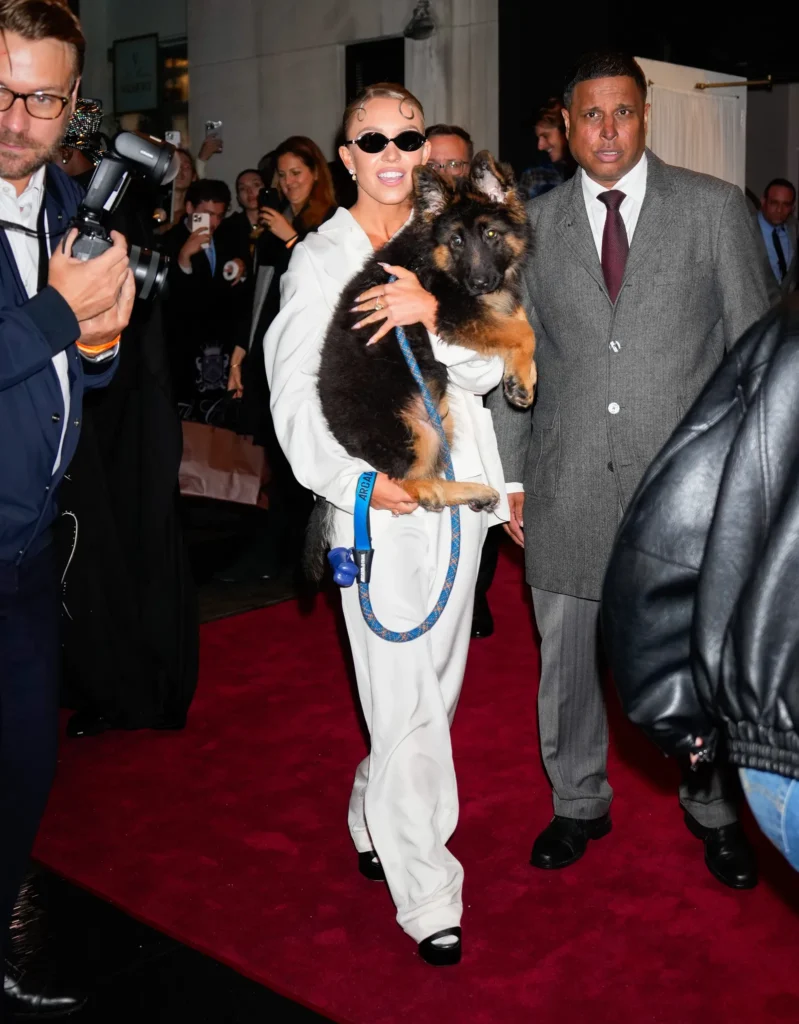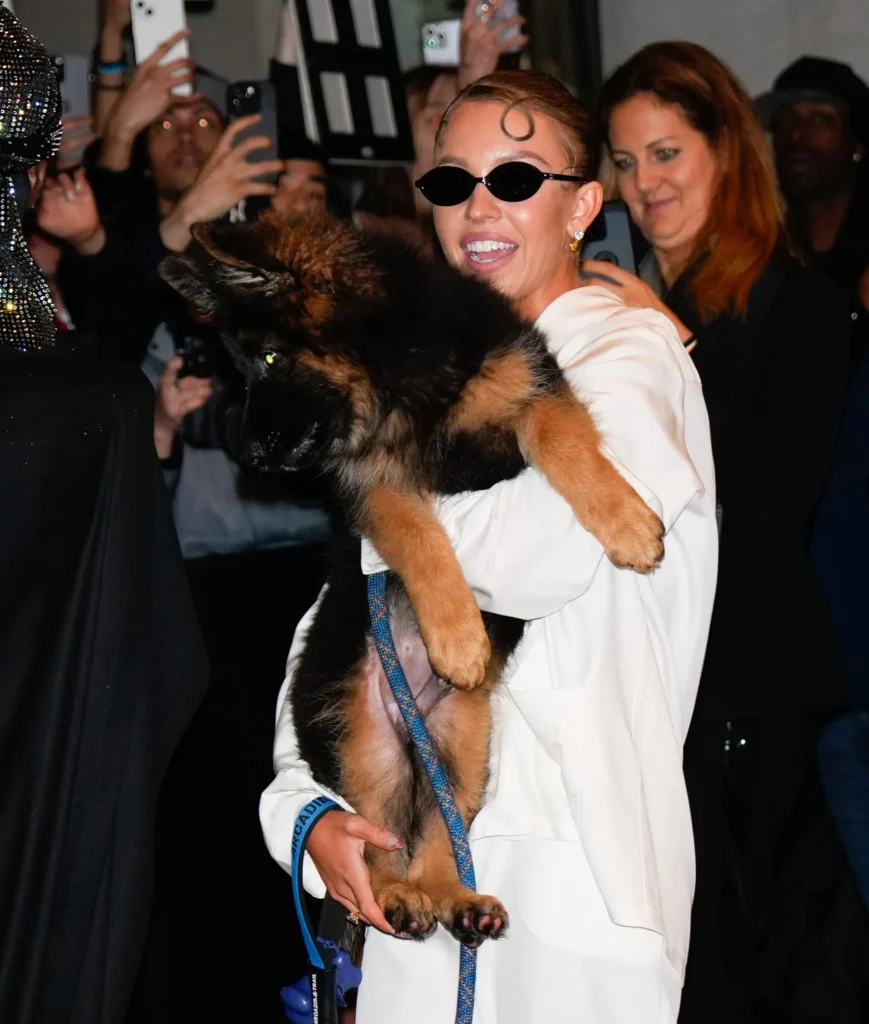

Sydney Sweeney German Shepherd pedigree is more useful as a story when it shows what families can learn from the selection process, preparation, communication, and life with the dog after the excitement of the first announcement. Royal Tribes K9’s public stories are part of the brand history, but the same core principles—health, temperament, fit, and responsible support—apply to every family.
A Pedigree Is a Map of Ancestry, Not a Quality Score
A pedigree shows the dogs behind a puppy and can help identify bloodline patterns, titles, kennel names, repeated ancestors, and breeding direction. It does not automatically tell you whether the puppy is healthy or suitable for your family.
What to Look for Beyond Famous Names
- Temperament of the parents and close relatives.
- Available health information and longevity patterns.
- Structure, movement, and consistency of type.
- Working or show titles that actually relate to the program’s goals.
- Why the breeder combined these particular bloodlines.
Bloodline Labels Need Context
Terms such as West German show line, working line, European line, or champion bloodline describe history and selection tendencies. They are useful starting points, but the individual dog and the breeder’s decisions matter more than the label printed in an advertisement.
The Same Standards Apply to Every Family
A public story can bring attention to a kennel, but responsible breeding is judged by repeatable standards: the dogs behind the puppies, health information, temperament, how puppies are raised, honest communication, and the support families receive after placement.
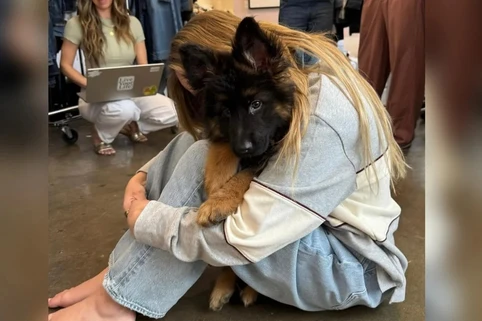
What Sydney Sweeney German Shepherd pedigree Says About the Selection Process
The public-facing part of a puppy story is often a photo or announcement. Behind a responsible placement should be a quieter process: understanding the household, discussing the puppy, planning the transition, reviewing records, and making sure the owner knows what the breed requires. That process matters whether the family is famous or completely private.
A Puppy Story Should Continue After Homecoming
The first day is only the beginning. German Shepherd puppies change quickly through teething, growth, adolescence, training, and social development. Owners need a plan for house training, crate comfort, leash skills, veterinary care, grooming, exercise, and boundaries. Breeder support is most valuable when the family can still ask questions after the excitement of the announcement has passed.
For readers researching Sydney Sweeney German Shepherd pedigree, this outside reference adds independent context. For independent historical context, the German Shepherd Dog Club of America breed history traces the breed from its early standardization to the versatile German Shepherd known today.

How Families Can Evaluate Reviews and Stories
- Look for details about communication and preparation.
- Notice whether the family discusses the puppy’s temperament and adjustment.
- Pay attention to how delivery or pickup was handled.
- Use stories as context, not as a substitute for health and pedigree information.
- Ask the breeder the same detailed questions even if the brand has high-profile customers.
Trust Should Be Built From Repeatable Standards
A recognizable customer can create social proof, but long-term trust comes from consistency. Families should expect the same transparent information, records, health protection, and matching guidance regardless of who they are. That is a more useful standard than celebrity association alone.
Putting This Information in Context
One of the easiest mistakes with Sydney Sweeney German Shepherd pedigree is to treat one characteristic as if it explains the entire dog. German Shepherds are the result of genetics, early raising, training, health, environment, and daily management. A useful article should help you make a better decision without pretending that every dog will follow the same script.
The German Shepherd Dog Club of America breed standard is a useful outside reference for the breed’s intended character and overall qualities. Breed standards and educational resources are most helpful when they are combined with information about the actual sire, dam, puppy, and household.
What to Verify Before You Decide
- The registered identity and background of the sire and dam when pedigree information is relevant.
- Available health information that can be tied to the correct dogs.
- The breeder’s explanation of temperament, structure, and why the pairing was made.
- The individual puppy’s age, behavior, social development, and current routine.
- The written terms covering records, health protection, pickup or delivery, and breeder support.
Why the Individual Puppy Still Matters
Even when Sydney Sweeney German Shepherd pedigree is the reason a family begins researching, the final decision should be about the individual puppy. Littermates can vary in confidence, independence, energy, sensitivity, food motivation, play style, and ability to settle. A breeder who has spent time with the litter can often provide information that a photo cannot.
Families should also be realistic about their own routine. The best match for a busy household with children may be different from the best match for an experienced handler who wants intensive training or sport. Matching is strongest when both the breeder and the buyer are specific about what the dog will be expected to do every day.
Related reading: Why Sydney Sweeney Chose Royal Tribes K9 for Her Puppy.