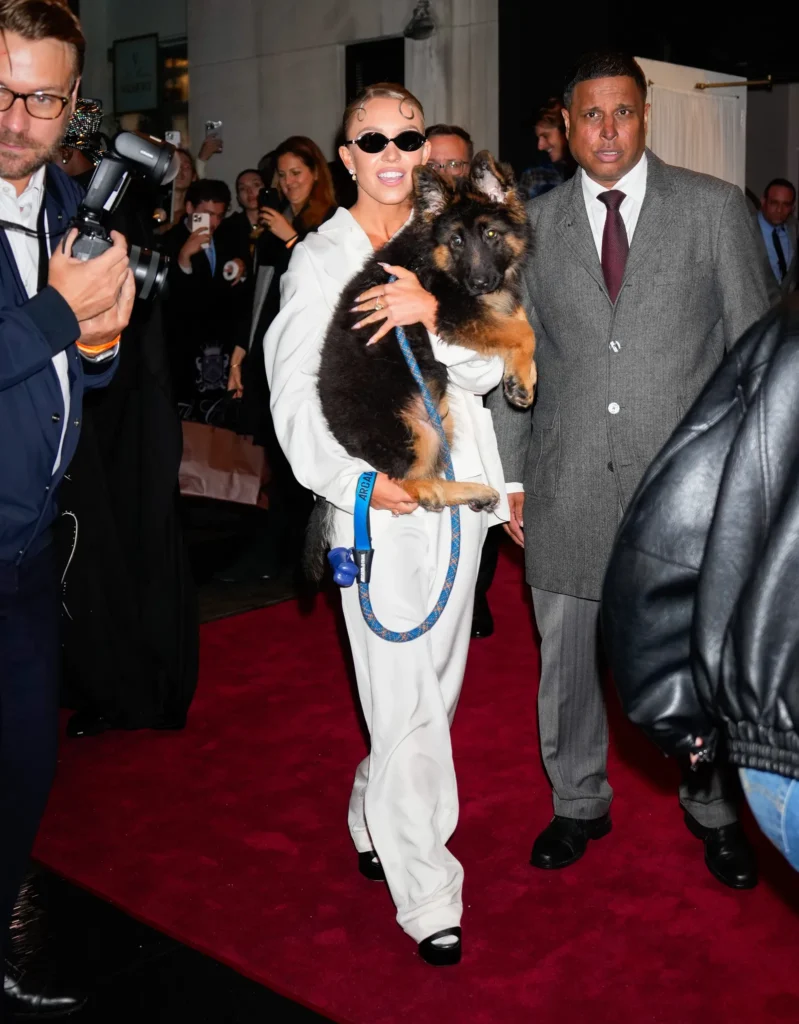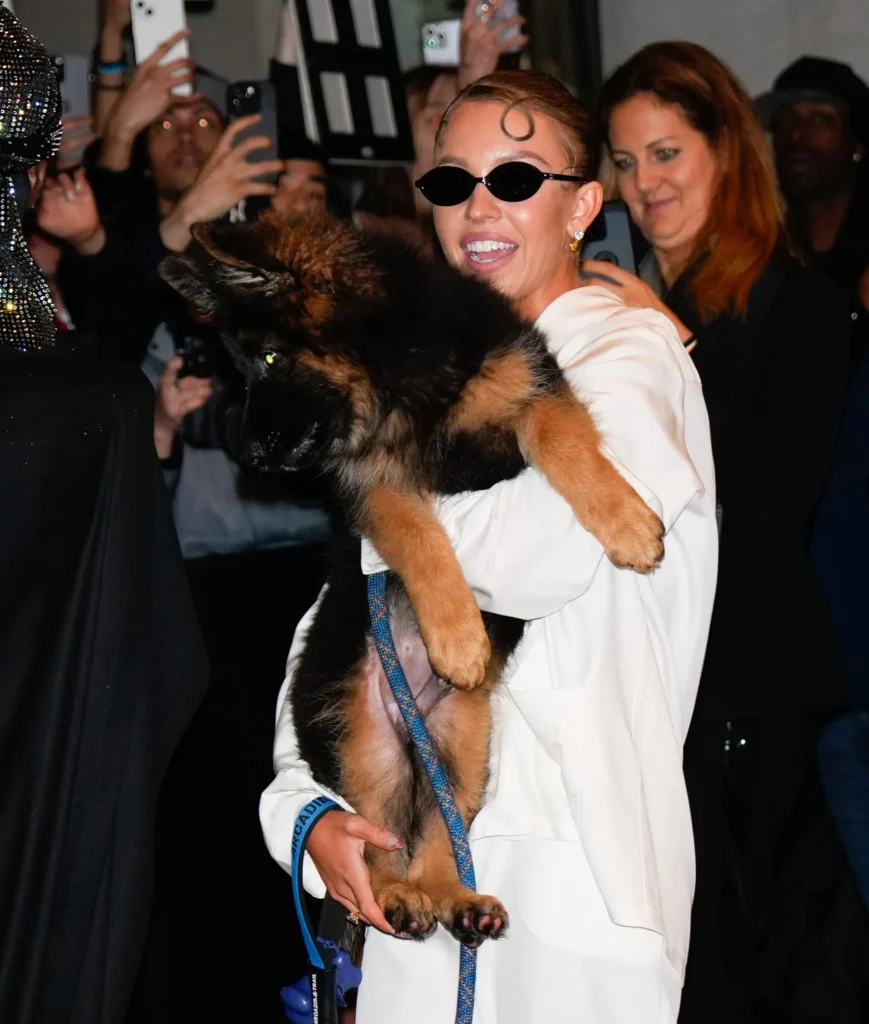

When Sully Bear was introduced publicly, the placement brought a lot of attention to Royal Tribes K9. For a future German Shepherd buyer, however, the useful lesson is not celebrity. It is the process behind choosing a puppy and preparing for the responsibility that begins after homecoming.
The standards that matter for a high-profile household are the same standards that matter for any family: understand the dog, understand the breeding program, review the available information, and be realistic about what a German Shepherd needs every day.
A Recognizable Owner Does Not Change the Puppy’s Needs
A German Shepherd still needs sleep, meals, bathroom training, socialization, exercise, boundaries, grooming, and veterinary care. Public attention can make a placement look like one big moment, but the announcement is only the beginning.
Start With Fit, Not the Photograph
Long coat, black-and-red pigment, expression, and overall presence are easy to notice. Those qualities can matter to a family, but they should not carry the entire decision. Energy level, confidence, sensitivity, social style, and ability to settle are what the household lives with.
Our German Shepherd family-fit guide explains how to compare those everyday needs with your actual home.

What Good Breeder Communication Should Cover
- Which puppy or litter is being discussed.
- Who the sire and dam are and what is known about them.
- Available health and pedigree information.
- Temperament and daily-life expectations.
- Written reservation, health, pickup, or delivery terms.
- Support during the transition home.
The point is not paperwork for its own sake. Good communication should make the decision clearer. Our questions to ask before buying a German Shepherd puppy gives families a practical checklist.
Preparation Matters More Than the Announcement
Before a puppy arrives, the household should decide where it will sleep, how bathroom and crate training will work, who handles exercise, how other pets will be introduced, and what rules everyone will use. Those details determine the first week more than the excitement of pickup day.
A Public Story Should Be Evidence of a Process, Not a Shortcut
A recognizable placement can introduce people to a breeder, but it should never replace the same verification a buyer would do otherwise. Review the parents, pedigree, available health information, written terms, and whether the puppy actually fits your household.
Royal Tribes K9’s current program focuses on long-coat West German show line German Shepherds, especially black-and-red and full-black dogs. Families can see the dogs behind the program on our studs and dams pages.

What Buyers Can Take From Sully Bear’s Placement
- Choose the individual puppy, not the publicity around it.
- Ask specific questions about parents, health, and temperament.
- Read written terms before paying or reserving.
- Plan the transition before the puppy comes home.
- Expect training and socialization to continue for months and years.
For Sully Bear’s broader story, read Meet Sully Bear.
Frequently Asked Questions
Should a celebrity placement influence which breeder I choose?
It can be one piece of a breeder’s public history, but it should not replace reviewing health information, parent dogs, pedigree, written terms, and how the breeder matches puppies.
What matters most when matching a German Shepherd puppy?
Temperament, energy, household expectations, parent information, health background, and the individual puppy matter more than a single visual trait.
Where can I review Royal Tribes K9 puppies?
Current puppies and availability are listed on the Royal Tribes K9 available puppies page.
What Future Puppy Buyers Can Learn From a High-Profile Placement
A recognizable owner may draw attention to a puppy, but the useful lesson for a future buyer is still the same: the dog has to fit the household. Coat, color, and photographs can start the conversation, while temperament, energy, confidence, parent information, health records, and the family’s daily routine should shape the actual decision.
Buyers should also look beyond a single placement and evaluate the breeding program itself. Ask how puppies are raised, what is known about the sire and dam, how temperament matching works, what the contract covers, and what support continues after the puppy goes home. The American Kennel Club guide to responsible breeders offers an independent checklist for many of those same questions.