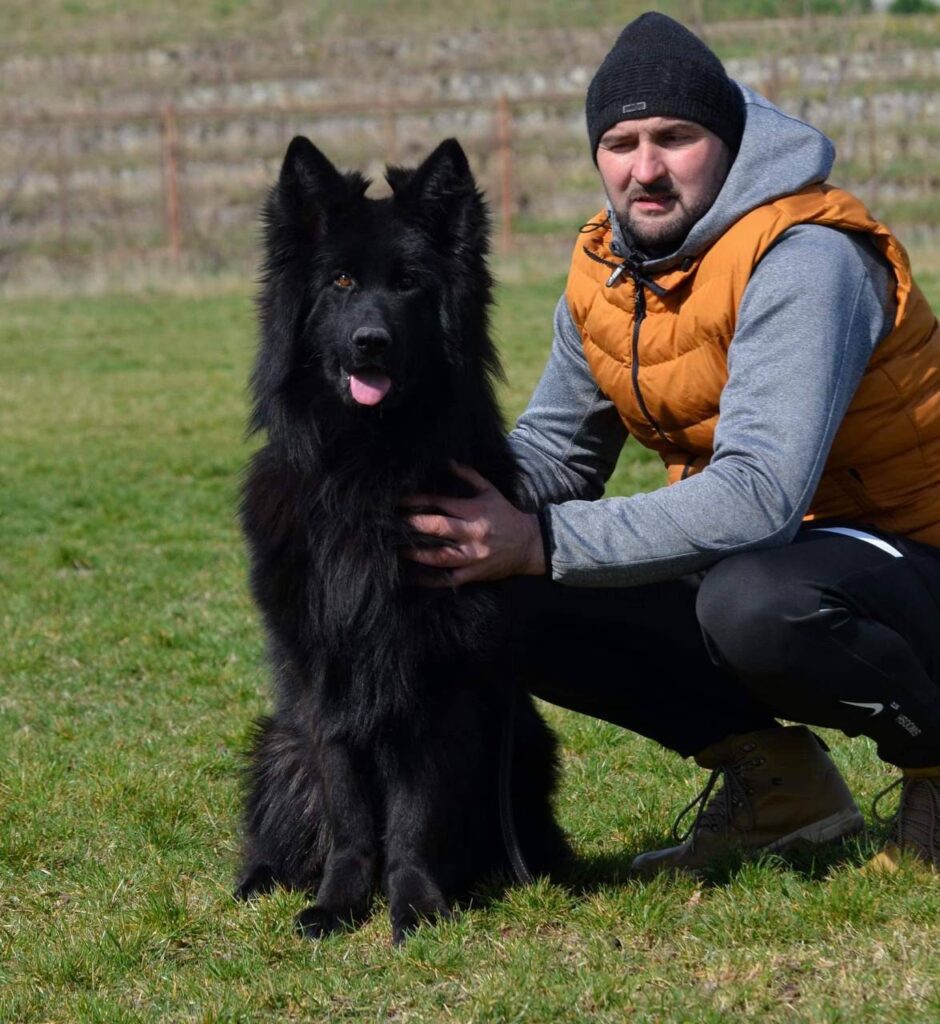
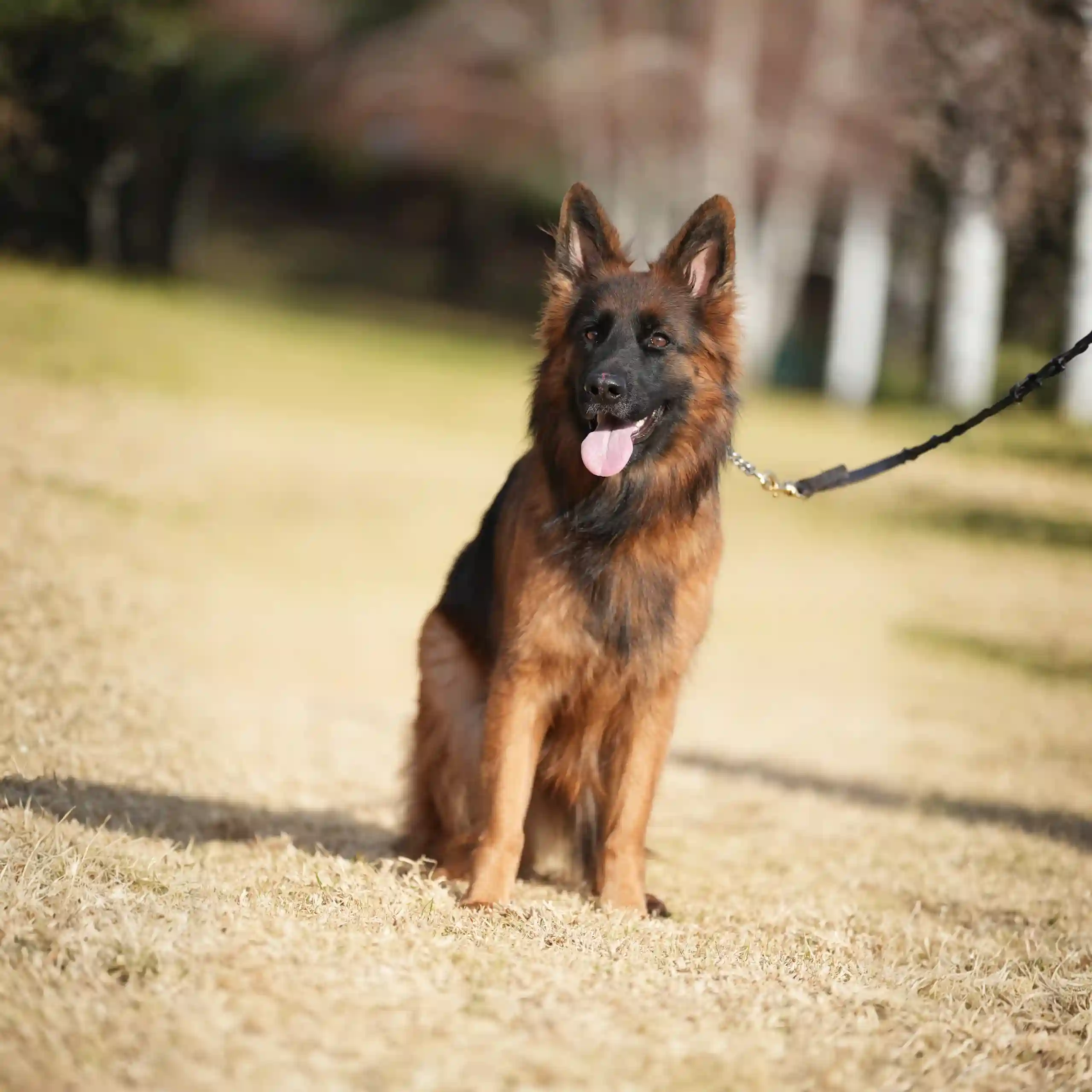
Long-haired German Shepherd bloodlines attract attention because the coat can be striking, especially on black-and-red and full-black dogs. But coat length is only one trait inside a much larger breeding picture. A responsible buyer should still ask about temperament, health, structure, movement, pedigree, and the qualities that appear consistently through the family.
The right long-coat puppy is not simply the fluffiest puppy in the litter. It is the puppy whose overall genetics and individual temperament fit the life you plan to share with it.
Long Coat Is a Trait—Not a Separate Breed
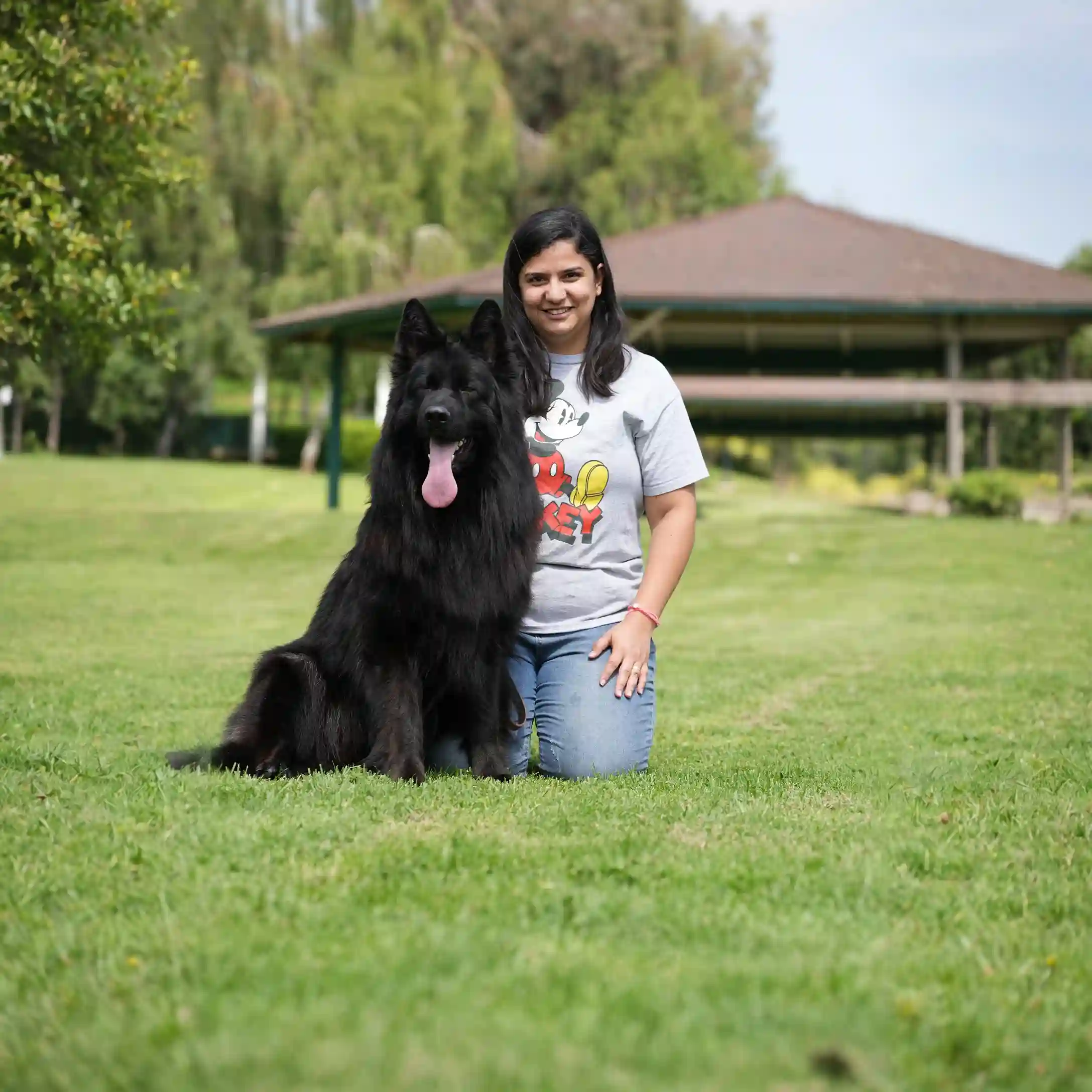
A long-haired German Shepherd is still a German Shepherd. The longer coat changes appearance and grooming needs, but it does not create a separate breed or automatically predict temperament, size, health, or trainability.
Because coat is inherited, studying the parents and relatives can help buyers understand how consistently a breeding program produces the coat type they prefer. The same principle applies to pigment, overall type, and many other visible traits.
What Matters More Than Coat Length
- Temperament: confidence, sociability, trainability, sensitivity, and the ability to settle.
- Health information: the testing and family history available on the parents.
- Structure and movement: how the dog is built and how it moves, not simply how much coat it carries.
- Pedigree: the families and breeding direction behind the dog.
- Consistency: whether close relatives repeatedly show the qualities the breeder describes.
Why Bloodline Still Matters in a Long-Coat Program
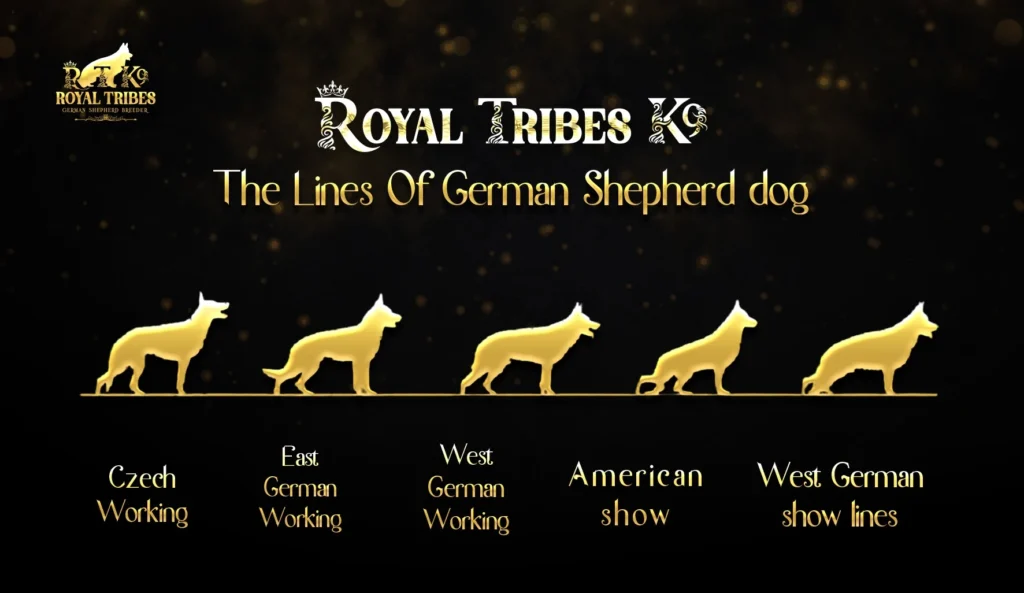
A long coat can appear in many different German Shepherd families, so the important question is what else those families are known for. Some lines may be selected heavily for working performance, others for conformation and movement, and others for a particular balance of family temperament and breed type.
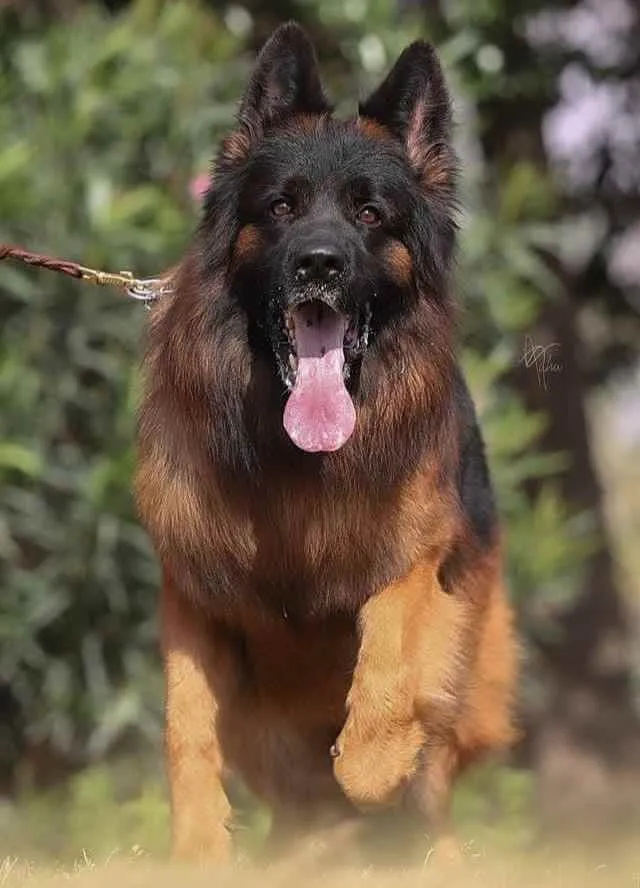
Royal Tribes K9 is centered on long-coat West German show line German Shepherds. Our focus is not coat alone. We look for the complete dog: strong pedigree, sound structure, movement, pigment, stable character, trainability, and suitability for the homes we serve.
Black, Black-and-Red, and the Complete Dog
Color preference is personal. Royal Tribes K9 focuses primarily on black-and-red and full-black German Shepherds, but color should not outrank health or temperament. A beautiful coat does not make a difficult temperament easier to live with, and a dramatic pedigree does not replace responsible matching.
When comparing puppies, ask the breeder to explain why a particular puppy fits your household rather than choosing from photos alone.
Read the Pedigree Beyond the First Generation
The sire and dam matter most immediately, but later generations can reveal repeated families, influential ancestors, and the direction of the program. This information becomes more useful when the breeder can explain what those dogs actually contributed.
Our guide on how to read a German Shepherd pedigree certificate walks through the process in more detail.
Grooming Is Part of the Commitment
Long coats require regular brushing, especially behind the ears, around the neck, on the tail, and in areas where friction can create tangles. Seasonal shedding can increase the amount of loose coat in the home. Good grooming is routine maintenance, not a reason to shave the dog’s double coat.
Families should be realistic about brushing, vacuuming, drying after baths, and checking the skin beneath the coat. The visual appeal of a long coat comes with additional maintenance.
How to Compare Long-Haired German Shepherd Puppies
- Meet or learn about the sire and dam, not only the puppy.
- Review the health information available for both parents.
- Ask whether the line consistently produces the coat and temperament you want.
- Discuss energy level and household routine with the breeder.
- Look beyond color to confidence, recovery, trainability, and social behavior.
- Read the contract, health guarantee, and transition information before reserving.
The Royal Tribes K9 Approach
Our goal is to produce long-coat German Shepherds that combine the look families admire with the qualities that make the breed rewarding to live with. We use pedigree information, parent evaluation, health records, and puppy observation together rather than treating any single trait as the whole dog.
Families can explore our studs, our dams, and current available German Shepherd puppies.
The Bottom Line
Long-haired German Shepherd bloodlines are worth studying because the coat sits inside a larger family of traits. Choose the breeding program for the complete dog: health, temperament, structure, pedigree, movement, and fit. Then choose the individual puppy that makes sense for your household.
Frequently Asked Questions
Are long-haired German Shepherds a different breed?
No. Long coat is a coat variation within the German Shepherd Dog.
Does long hair change temperament?
Not by itself. Temperament is influenced by the broader genetics of the dog, early development, training, socialization, and environment.
Is full black healthier than black-and-red?
Color alone does not determine overall health. Evaluate the parents, family history, testing, and the individual dog.
Do long coats need more grooming?
Usually yes. The longer furnishings and dense coat benefit from consistent brushing and careful drying, particularly during periods of heavy shedding.
For independent context on how breeders use pedigrees when planning a litter, the American Kennel Club guide to a carefully planned litter explains why names and titles are only useful when they are connected to real knowledge of the dogs and families behind them.