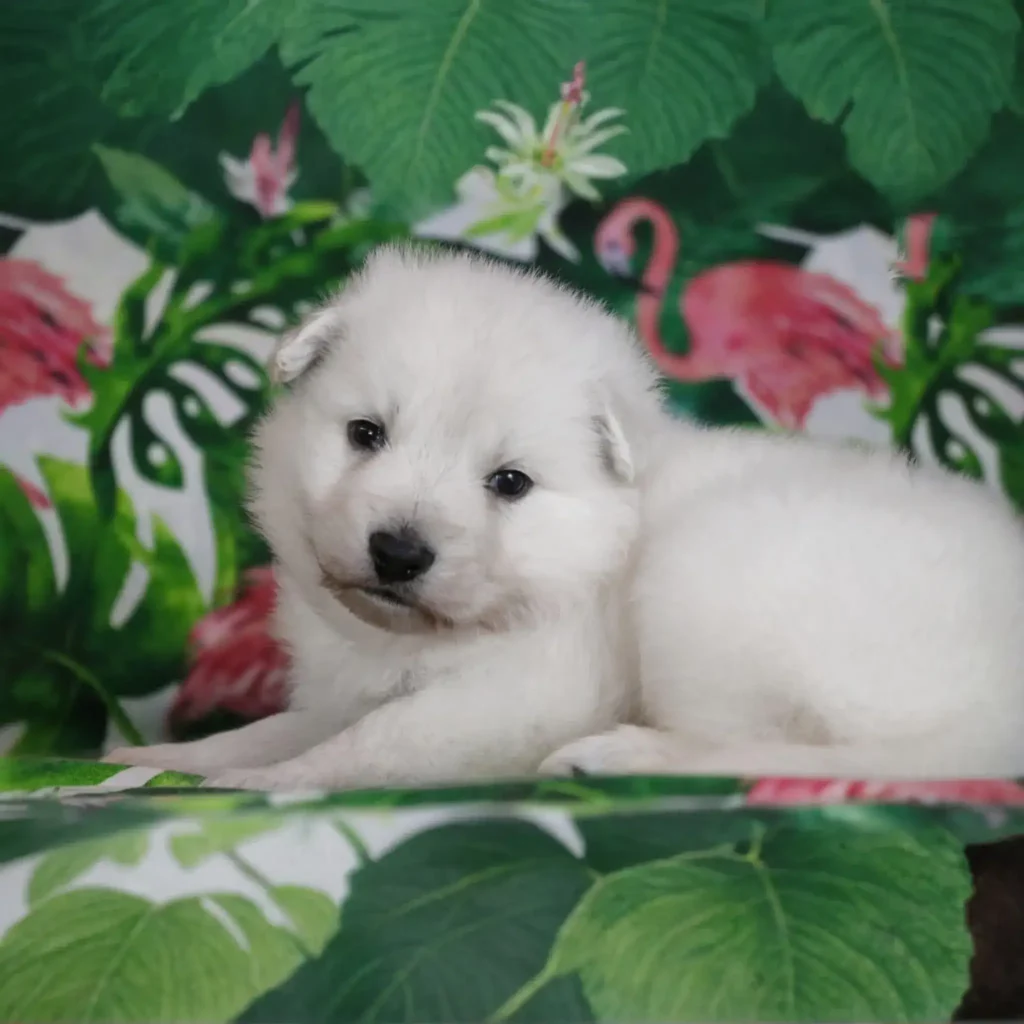
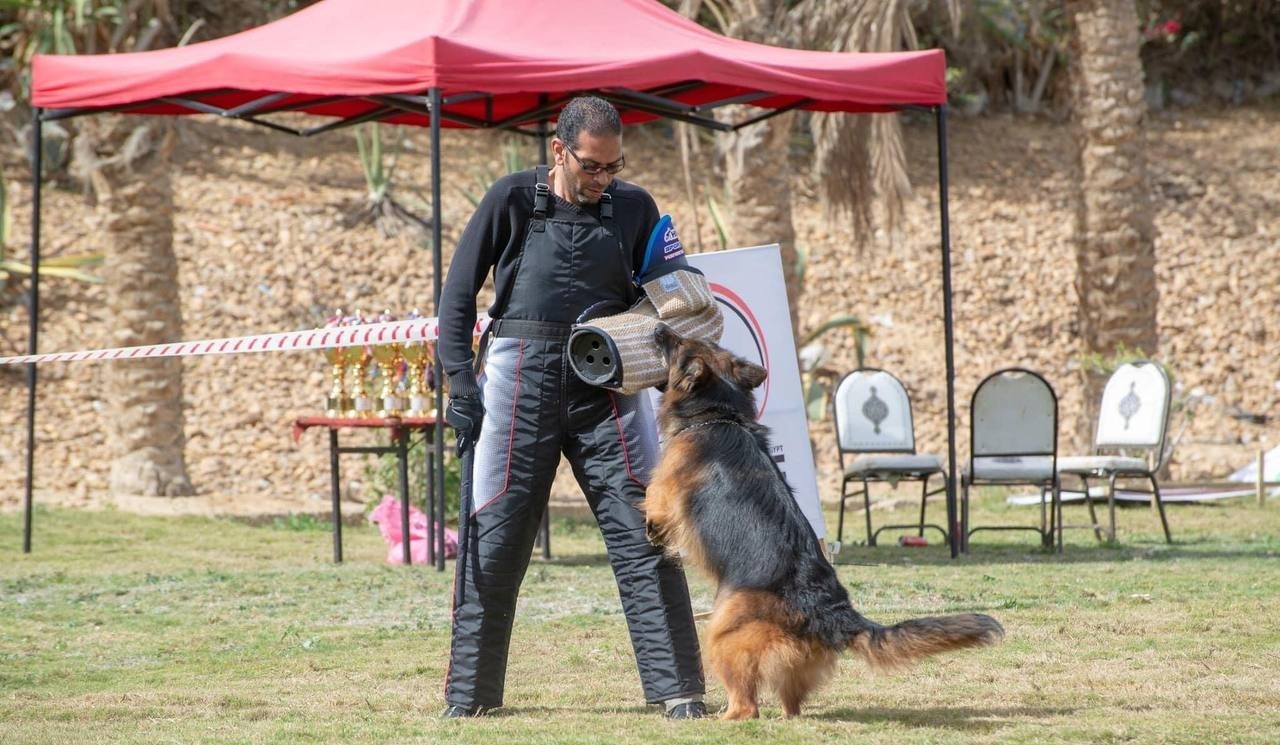
training a German Shepherd puppy works best when training is built around clarity, repetition, motivation, and realistic expectations. German Shepherds are intelligent and observant, but intelligence does not replace teaching. A puppy that understands the routine, receives age-appropriate outlets, and is rewarded for the right choices is easier to live with than a dog that is expected to ‘figure it out’ on its own.
Training a German Shepherd Works Best With Clear Criteria
German Shepherds learn quickly, including habits owners did not intend to teach. If jumping earns attention, pulling reaches the destination, or barking makes people back away, the dog may repeat those behaviors. Good training makes the desired behavior easier to understand and more rewarding.
Build the Foundation Before Adding Difficulty
- Teach name response and engagement.
- Reward calm behavior and a reliable settle or place cue.
- Practice loose-leash walking in low-distraction areas first.
- Build recall with high-value reinforcement instead of testing it too early.
- Use short sessions and finish while the dog is still successful.
Common Training Mistakes to Avoid
- Adding distractions before the dog understands the skill.
- Repeating cues without following through or reinforcing success.
- Using exercise as the only answer to arousal or boredom.
- Allowing unwanted behavior sometimes and correcting it at other times.
- Expecting puppy behavior to disappear without teaching an alternative.
Turn training a German Shepherd puppy Into a Daily Routine
Training becomes reliable when it is part of normal life instead of a ten-minute event that happens only when the owner remembers. Ask for a sit before opening the door, reward loose leash movement during normal walks, practice recall during play, and reinforce calm behavior when the family is relaxing. Those repetitions create habits without making every interaction feel like a formal lesson.
German Shepherds are particularly good at noticing patterns. If the rules change depending on who is holding the leash, the dog will also learn that inconsistency. Families get faster results when everyone uses the same cues, the same boundaries, and the same response to common behaviors such as jumping, pulling, stealing objects, or rushing through doors.
Use Difficulty in the Right Order
| Training Variable | Start Easy | Add Later |
|---|---|---|
| Distance | Close to the handler | Gradually farther away |
| Duration | One or two seconds | Longer holds and settles |
| Distraction | Quiet room or yard | People, dogs, movement, new places |
| Reward schedule | Frequent reinforcement | More variable reinforcement after reliability |
Socialization Is Not the Same as Meeting Everyone
Good socialization teaches the puppy that the world is safe and manageable. It can include surfaces, sounds, vehicles, grooming, handling, people at a distance, calm dogs, veterinary environments, household activity, and learning to disengage. A puppy does not need to greet every stranger or dog to become socially stable.
For readers researching training a German Shepherd puppy, this outside reference adds independent context. For evidence-based behavior guidance, the American Veterinary Society of Animal Behavior position statements include public resources on puppy socialization and humane training principles.

When to Get Professional Help
Seek qualified help when fear, reactivity, aggression, severe resource guarding, panic, or another behavior creates safety concerns or is getting worse. Early coaching can prevent families from rehearsing the same problem for months. The trainer should be able to explain the plan clearly and adjust it to the individual dog.
Putting This Information in Context
One of the easiest mistakes with training a German Shepherd puppy is to treat one characteristic as if it explains the entire dog. German Shepherds are the result of genetics, early raising, training, health, environment, and daily management. A useful article should help you make a better decision without pretending that every dog will follow the same script.
The AKC German Shepherd breed overview is a useful outside reference for the breed’s intended character and overall qualities. Breed standards and educational resources are most helpful when they are combined with information about the actual sire, dam, puppy, and household.
What to Verify Before You Decide
- The registered identity and background of the sire and dam when pedigree information is relevant.
- Available health information that can be tied to the correct dogs.
- The breeder’s explanation of temperament, structure, and why the pairing was made.
- The individual puppy’s age, behavior, social development, and current routine.
- The written terms covering records, health protection, pickup or delivery, and breeder support.
Why the Individual Puppy Still Matters
Even when training a German Shepherd puppy is the reason a family begins researching, the final decision should be about the individual puppy. Littermates can vary in confidence, independence, energy, sensitivity, food motivation, play style, and ability to settle. A breeder who has spent time with the litter can often provide information that a photo cannot.
Families should also be realistic about their own routine. The best match for a busy household with children may be different from the best match for an experienced handler who wants intensive training or sport. Matching is strongest when both the breeder and the buyer are specific about what the dog will be expected to do every day.
Related reading: How to Train a German Shepherd Puppy: A Beginner’s Guide.