German Shepherd bloodlines matter because generations of selection can influence the traits a breeder is trying to preserve. They can help explain why one family of dogs tends to show a certain look, working style, level of drive, movement, coat, or temperament. But a bloodline name is not a guarantee. The individual parents, the pairing, the puppy, and the way the breeder evaluates the litter still matter.
For a family choosing a German Shepherd, the goal should not be to chase the most impressive label. The better question is whether the breeding program consistently produces the type of dog that fits your real life.
What a Bloodline Can—and Cannot—Tell You
A bloodline is the family history behind a dog. Looking across several generations can show repeated ancestors, kennel families, conformation or working achievements, and the direction a breeder has followed over time. That information is useful because consistency rarely comes from one dog alone.
What a bloodline cannot do is promise a perfect puppy. Two dogs from the same broader bloodline can still differ in confidence, energy, size, sensitivity, coat, structure, and trainability. Health information also has to be reviewed directly; a famous pedigree does not replace health testing or honest family history.
Start With the Life You Actually Live
Before comparing pedigrees, define what you want the dog to do most days. A household looking for a stable family companion has different priorities from a handler planning intensive sport or demanding working activities. Neither goal is automatically better; they simply require different matching.
- Family companion: prioritize stable temperament, recovery from new situations, trainability, and the ability to settle in the home.
- Active household: look for athletic dogs with enough energy to participate without requiring constant high-intensity work.
- Sport or advanced training: discuss drive, persistence, nerve, focus, and the actual traits seen in parents and relatives.
- Long-coat preference: consider coat consistency and grooming needs without allowing coat length to outweigh health or temperament.
Working Lines, Show Lines, and West German Show Lines
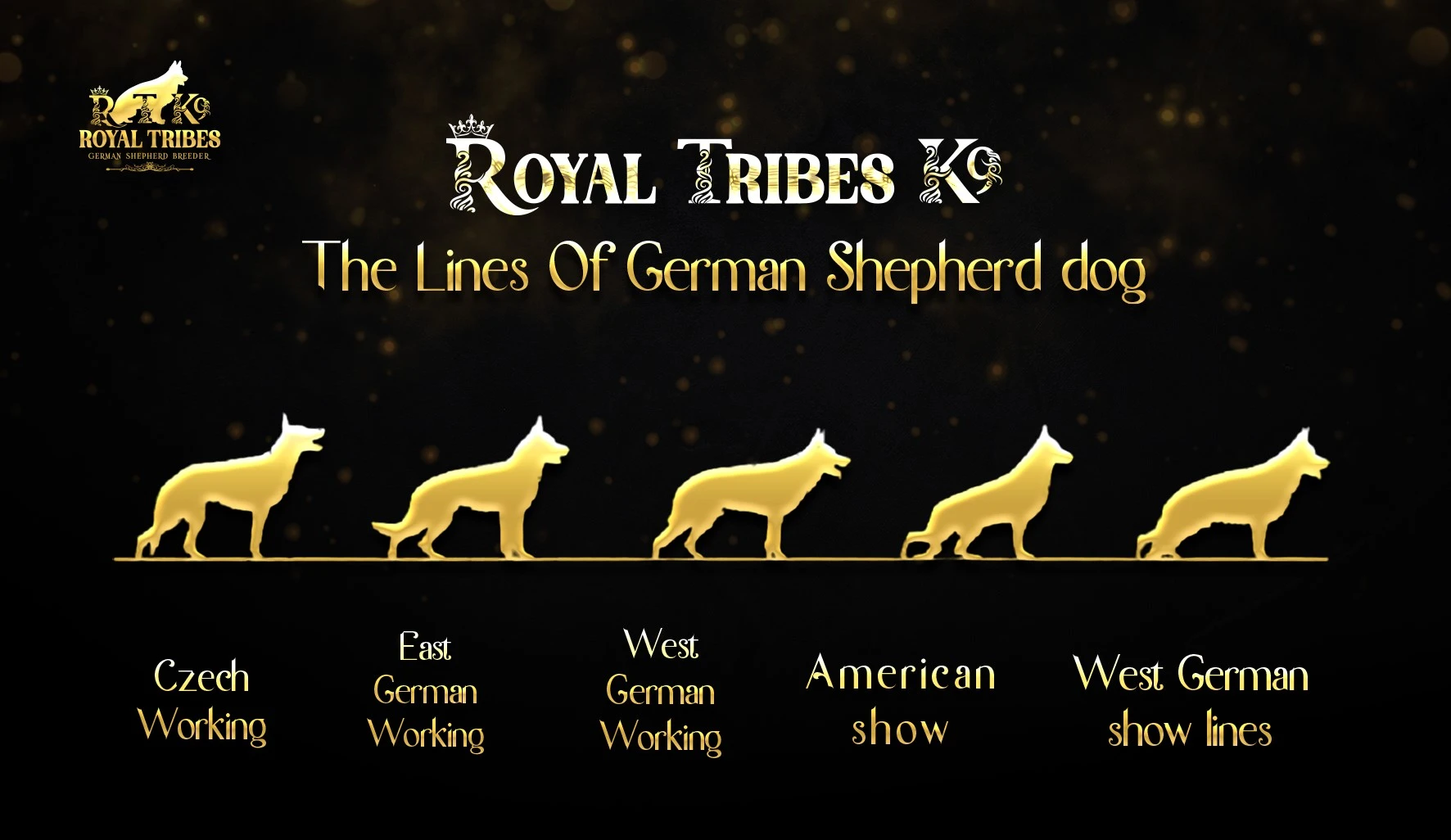
Terms such as working line and show line describe broad breeding directions. Working-line programs generally place more emphasis on performance traits and working ability. Show-line programs place more emphasis on conformation, movement, breed type, and presentation while still requiring sound temperament and trainability.
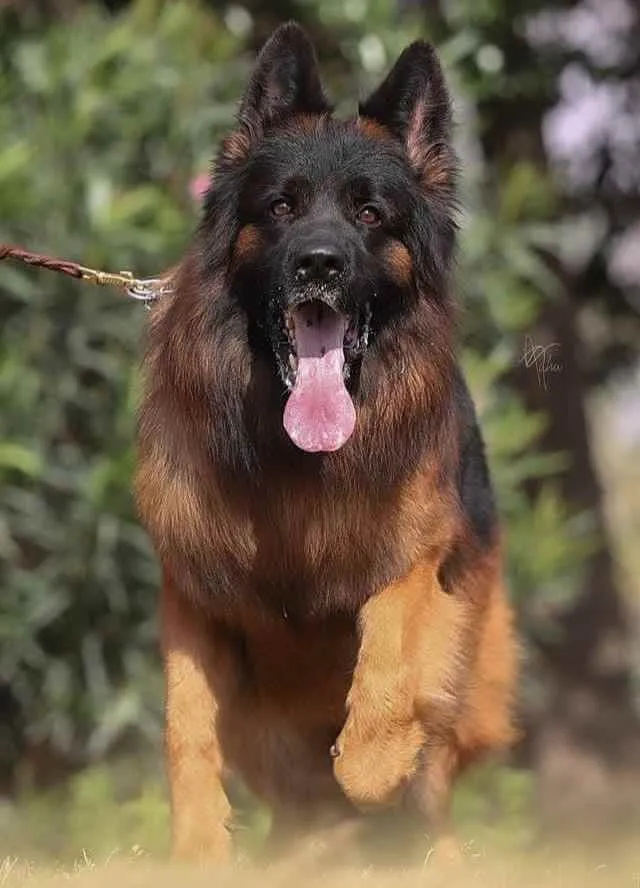
West German show lines are one of the directions many families explore when they want strong breed type, trainability, movement, and a companion-oriented balance. Royal Tribes K9 focuses on long-coat West German show line German Shepherds, especially black-and-red and full-black dogs, because that direction fits the type of German Shepherd our program is built around.
The label still is not enough. Within any line, buyers should ask about the sire, dam, relatives, previous litters, health information, and the temperament the breeder is actually seeing.
Five Things to Verify Behind Any Pedigree
1. The Parents
The sire and dam are the most immediate genetic influence on the litter. Ask how each behaves at home, around strangers, during training, and in unfamiliar environments. Photos and titles are useful, but they do not replace a description of the real dog.
2. Health Information
Review the health information available for both parents and ask how the breeder uses it when planning a pairing. A pedigree can show ancestry; it does not automatically show every orthopedic, genetic, or medical concern that may matter.
3. Consistency in Close Relatives
Siblings, half-siblings, parents, grandparents, and previous offspring can reveal whether desirable traits appear repeatedly or only in one standout dog. Consistency is one of the most valuable reasons to study a family rather than a single name.
4. Why the Pairing Was Planned
A breeder should be able to explain what each parent contributes and what the combination is intended to improve or preserve. The answer should go beyond color or a famous kennel name.
5. The Individual Puppy
Pedigree helps set expectations, but placement should still be based on the individual puppy. Confidence, energy, social style, sensitivity, and ability to recover from new experiences can differ within the same litter.
How Royal Tribes K9 Uses Bloodline Information
At Royal Tribes K9, pedigree is part of a larger decision. We look at the dogs behind the puppy, the parents in front of us, available health information, structure, movement, coat, pigment, and temperament. The purpose is not to sell a family on a complicated pedigree. It is to use that information to make a more informed breeding and matching decision.
You can review our studs and our dams to see the dogs behind the program. For a deeper explanation of ancestry, read our German Shepherd pedigree guide.
Questions to Ask Before Choosing a Bloodline
- What traits are most consistent in this family of dogs?
- How would you describe the sire and dam in everyday life?
- What health information is available for both parents?
- Have these lines produced puppies for homes similar to mine?
- Why were these two dogs paired together?
- How do you decide which puppy fits which family?
The Bottom Line
German Shepherd bloodlines are most useful when they help you understand what a breeder is trying to produce—not when they are used as a marketing shortcut. Start with your household and goals, study the parents and pedigree, verify health information, and then evaluate the individual puppy. That combination gives you far more useful information than any bloodline label by itself.
Frequently Asked Questions
Does a champion bloodline guarantee a better puppy?
No. Titles and accomplished ancestors can add useful pedigree context, but health, temperament, the specific pairing, early raising, and the individual puppy still matter.
Are show-line German Shepherds lower energy than working lines?
Often they are selected for a different balance of traits, but individuals vary. Ask about the actual parents and previous offspring rather than assuming the label predicts every puppy.
Should I choose a puppy mainly by pedigree?
Pedigree should support the decision, not replace it. The best match comes from combining ancestry with health information, temperament, breeder knowledge, and the needs of your household.
Where can I learn about breed history and the written standard?
The German Shepherd Dog Club of America breed history and breed-standard resources provide useful outside context for how the breed developed.