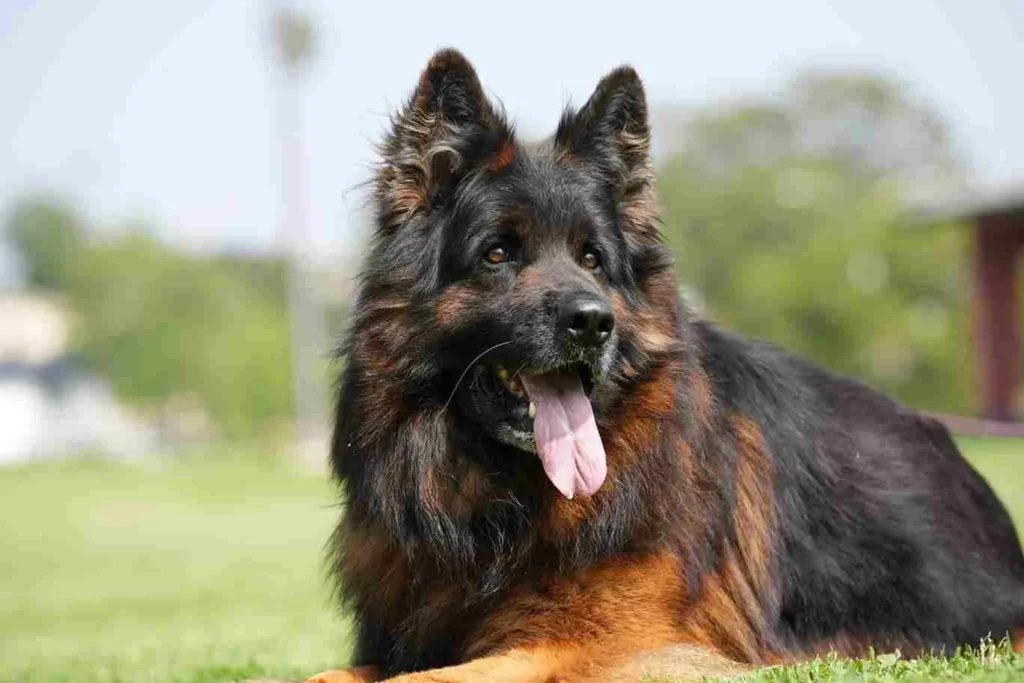

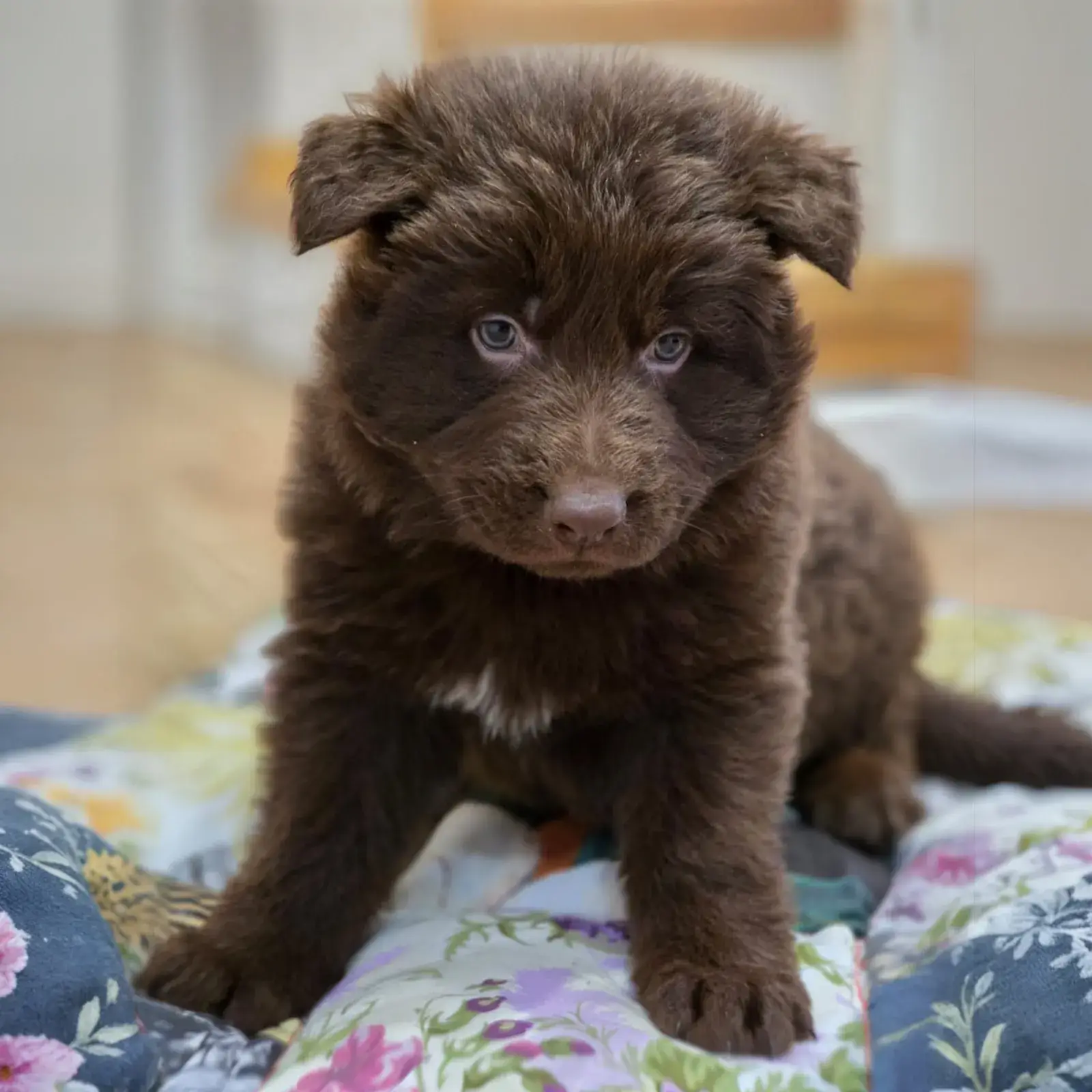
A long hair liver German Shepherd combines two separate inherited traits: long coat and liver-colored pigment. The result can be unusual in appearance, but the dog should still be evaluated by the same fundamentals as any German Shepherd—health, temperament, structure, pedigree, and suitability for the home.
Royal Tribes K9 program note: Our current breeding focus is long-coat West German show line German Shepherds in black-and-red and full-black. Color articles on white or liver German Shepherds are provided for education and genetics context, not as a statement of current puppy availability.
Coat Appearance Should Be Evaluated With the Whole Dog
Color and coat length are easy to notice first, but they do not replace temperament, health, structure, movement, or pedigree. A family can have a strong color preference while still making the final decision based on the dog they will actually live with.
Grooming and Maintenance
Long coat German Shepherds generally need regular brushing and extra attention to furnishings around the neck, tail, ears, and rear legs. Standard coats also shed heavily. The goal is consistent coat care rather than trying to eliminate normal shedding.
Choosing for the Right Reasons
If a particular look is important to you, say so, but keep the priorities in order. A breeder should still be able to discuss the parents, health information, pedigree, temperament, structure, and what daily care the coat requires. Rarity or appearance alone should not justify weak breeding decisions.

Genetics, Appearance, and the Whole Dog
Coat traits are inherited, but the visible result does not tell you the entire genetic or health story. Color genes influence pigment; coat-length genes influence hair length and furnishings. Those traits can be discussed accurately without implying that a rare color automatically produces a rarer temperament, stronger health, or better working ability.
For buyers, the practical lesson is simple: enjoy the appearance you prefer, but evaluate the breeding program with the same standards you would use for any other German Shepherd. Ask about the parents, health information, pedigree, temperament, structure, and why the pairing was made.
Daily Care Matters More Than the Photo
A long coat that looks spectacular in a posed photograph still needs brushing, drying, and seasonal undercoat management. A light-colored coat may show mud more easily, while dark coats can show dust or loose undercoat in different lighting. These are grooming realities, not reasons to rank one color as a better family dog.
For readers researching long hair liver German Shepherd, this outside reference adds independent context. For independent orthopedic-health information, the Orthopedic Foundation for Animals hip dysplasia resource explains canine hip dysplasia and how OFA hip screening is evaluated.
Questions to Ask About Coat and Color
- What coat length and color are expected from the pairing?
- How much grooming does this individual coat require?
- Are both parents available to review by photos, pedigree, or breeder records?
- Is the breeder selecting for temperament and health along with appearance?
- Are color claims being described accurately rather than as a medical or temperament guarantee?
Choose the Puppy, Not Just the Color
Families interested in long hair liver German Shepherd should still ask which puppy is calmer, more confident, more social, more independent, or more energetic. The best match can be a slightly different shade, sex, or coat length than the buyer first imagined. Living successfully with the dog matters much longer than the first visual impression.
Putting This Information in Context
One of the easiest mistakes with long hair liver German Shepherd is to treat one characteristic as if it explains the entire dog. German Shepherds are the result of genetics, early raising, training, health, environment, and daily management. A useful article should help you make a better decision without pretending that every dog will follow the same script.
The German Shepherd Dog Club of America breed standard is a useful outside reference for the breed’s intended character and overall qualities. Breed standards and educational resources are most helpful when they are combined with information about the actual sire, dam, puppy, and household.
What to Verify Before You Decide
- The registered identity and background of the sire and dam when pedigree information is relevant.
- Available health information that can be tied to the correct dogs.
- The breeder’s explanation of temperament, structure, and why the pairing was made.
- The individual puppy’s age, behavior, social development, and current routine.
- The written terms covering records, health protection, pickup or delivery, and breeder support.
Why the Individual Puppy Still Matters
Even when long hair liver German Shepherd is the reason a family begins researching, the final decision should be about the individual puppy. Littermates can vary in confidence, independence, energy, sensitivity, food motivation, play style, and ability to settle. A breeder who has spent time with the litter can often provide information that a photo cannot.
Families should also be realistic about their own routine. The best match for a busy household with children may be different from the best match for an experienced handler who wants intensive training or sport. Matching is strongest when both the breeder and the buyer are specific about what the dog will be expected to do every day.
Related reading on coat type: see the practical differences between long-hair and short-hair German Shepherd coats and use that information alongside temperament, health, and pedigree.