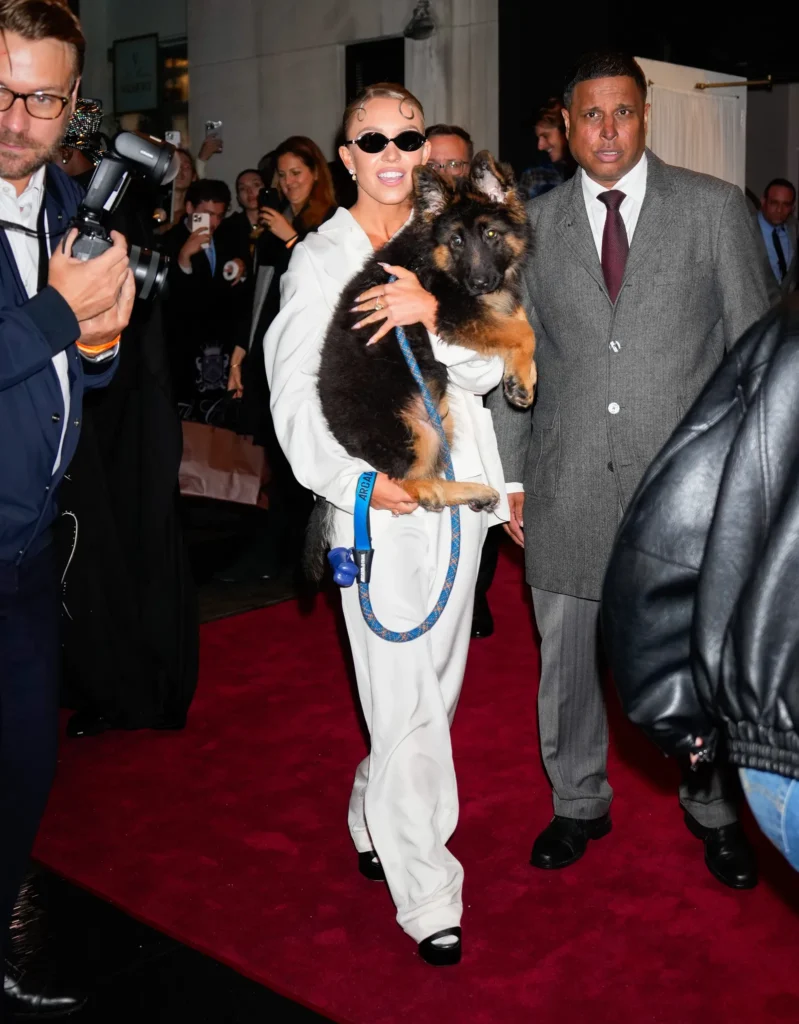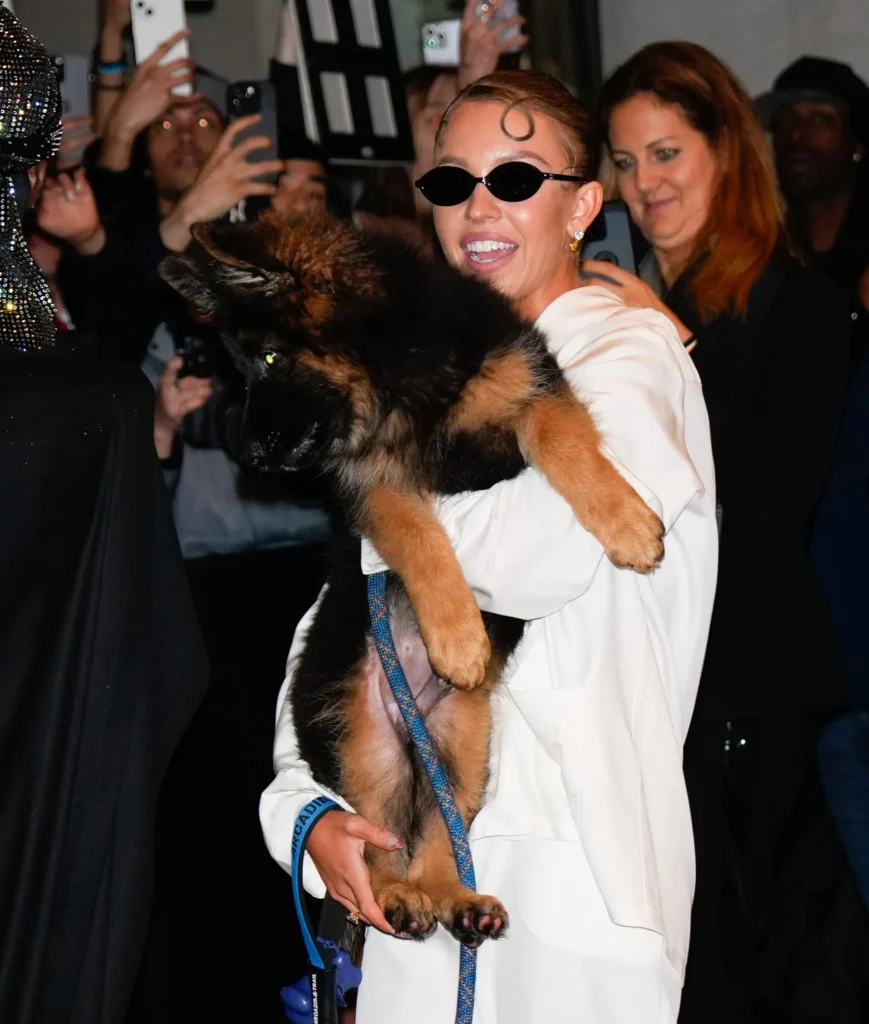
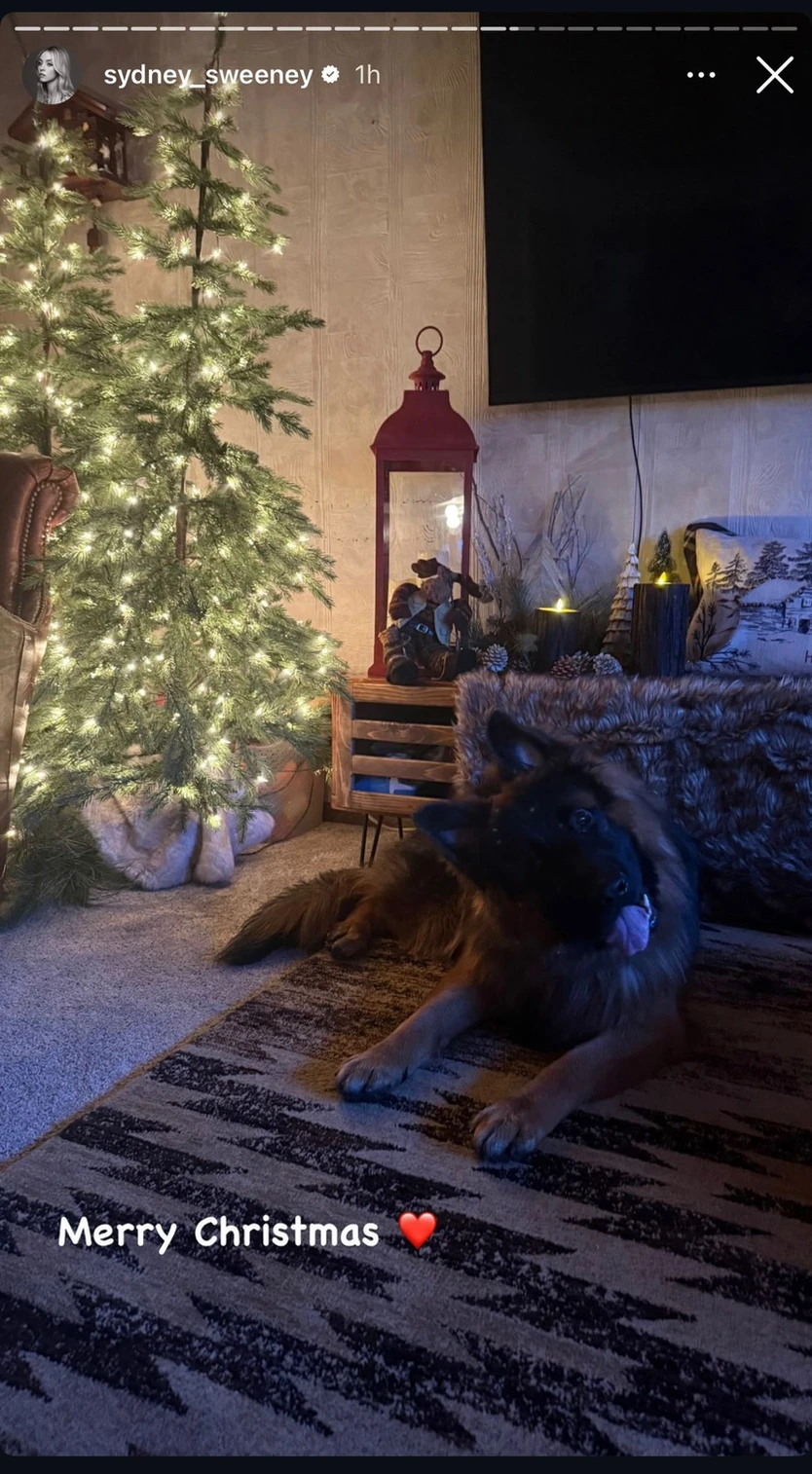
Holiday photos can make life with a German Shepherd puppy look effortless. The real story is more useful: Christmas changes the household. There are visitors, decorations, food, travel, new smells, and unusual schedules. A young dog can enjoy all of that, but it still needs the same structure that makes everyday life work.
Sully Bear’s holiday story gives families a good reason to think beyond the photograph. A confident puppy does not need to be excluded from the celebration; it needs help understanding how to be part of it.
Keep the Puppy’s Routine Even When the House Changes
Meals, bathroom breaks, walks, training, and sleep should remain as predictable as possible. Puppies often become mouthier, noisier, or more restless when they are overtired or overstimulated. A normal walk before guests arrive and a quiet rest period can make the evening easier for everyone.
If you are still building your routine, our guide to German Shepherd puppy sleep explains why rest is such a large part of development.
Holiday Decorations Look Like Puppy Toys
- Keep electrical cords and fragile decorations out of reach.
- Do not leave ribbon, hooks, string, or small ornaments where they can be swallowed.
- Use a gate or supervised area around the tree if the puppy cannot yet ignore it.
- Provide appropriate chew items before the puppy starts choosing decorations instead.
- Create a quiet place away from the busiest room.
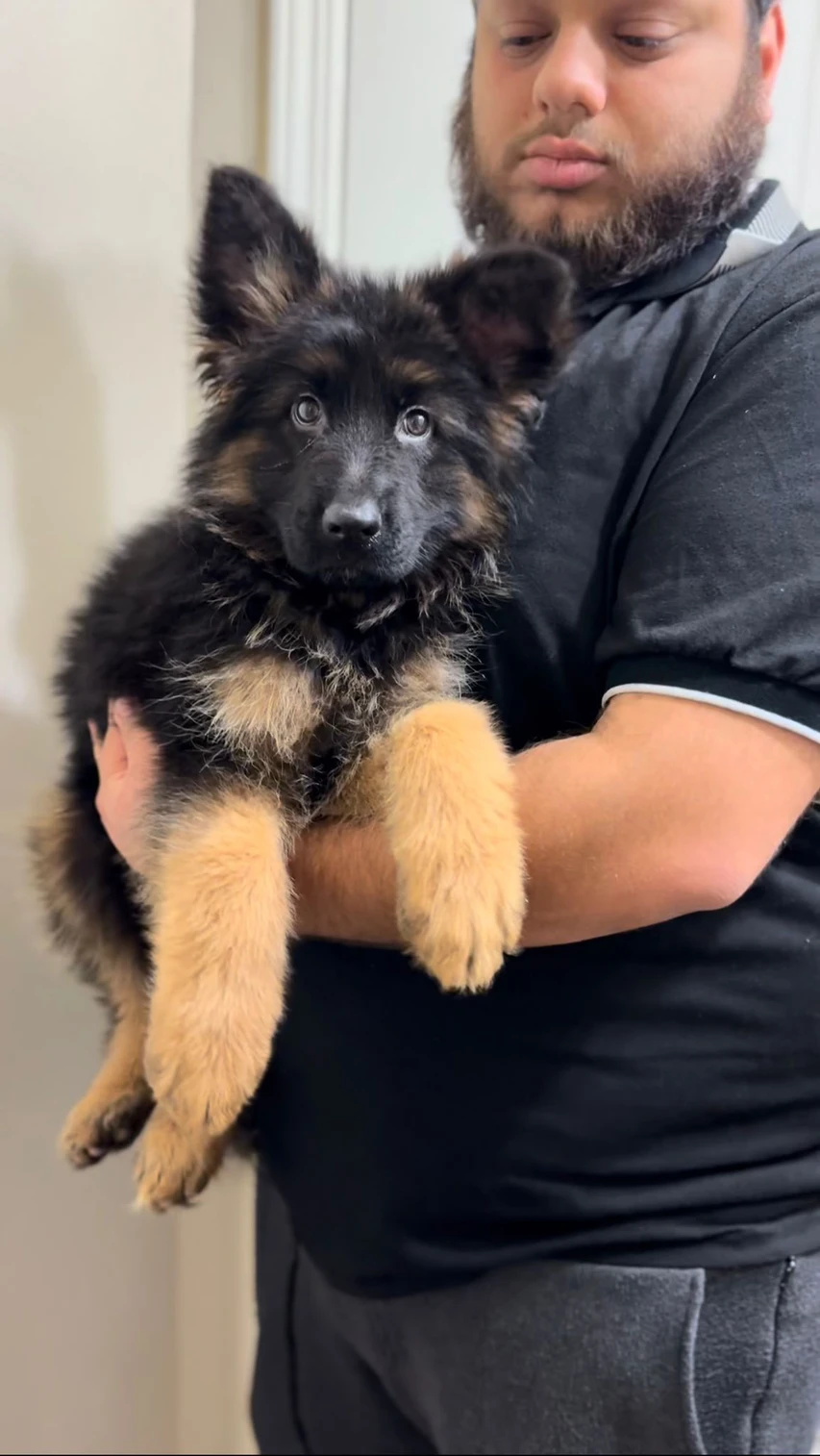
Guests Are a Training Opportunity, Not a Test
A crowded doorway is not the ideal place to discover whether a puppy understands greeting manners. Practice before the gathering. Ask for a sit, use a leash if needed, reward four paws on the floor, and let the puppy step away when it has had enough.
Short repetitions of German Shepherd puppy training are more valuable than trying to control the dog only after the house becomes busy.
Keep Holiday Food Simple
Rich table food can cause digestive upset, and some common holiday ingredients are unsafe for dogs. The easiest rule is to keep the puppy on its normal diet and make sure guests know not to feed from the table. If you want the dog included, use its regular food or dog-appropriate treats during training.
Long Coat Means Extra Cleanup in Winter
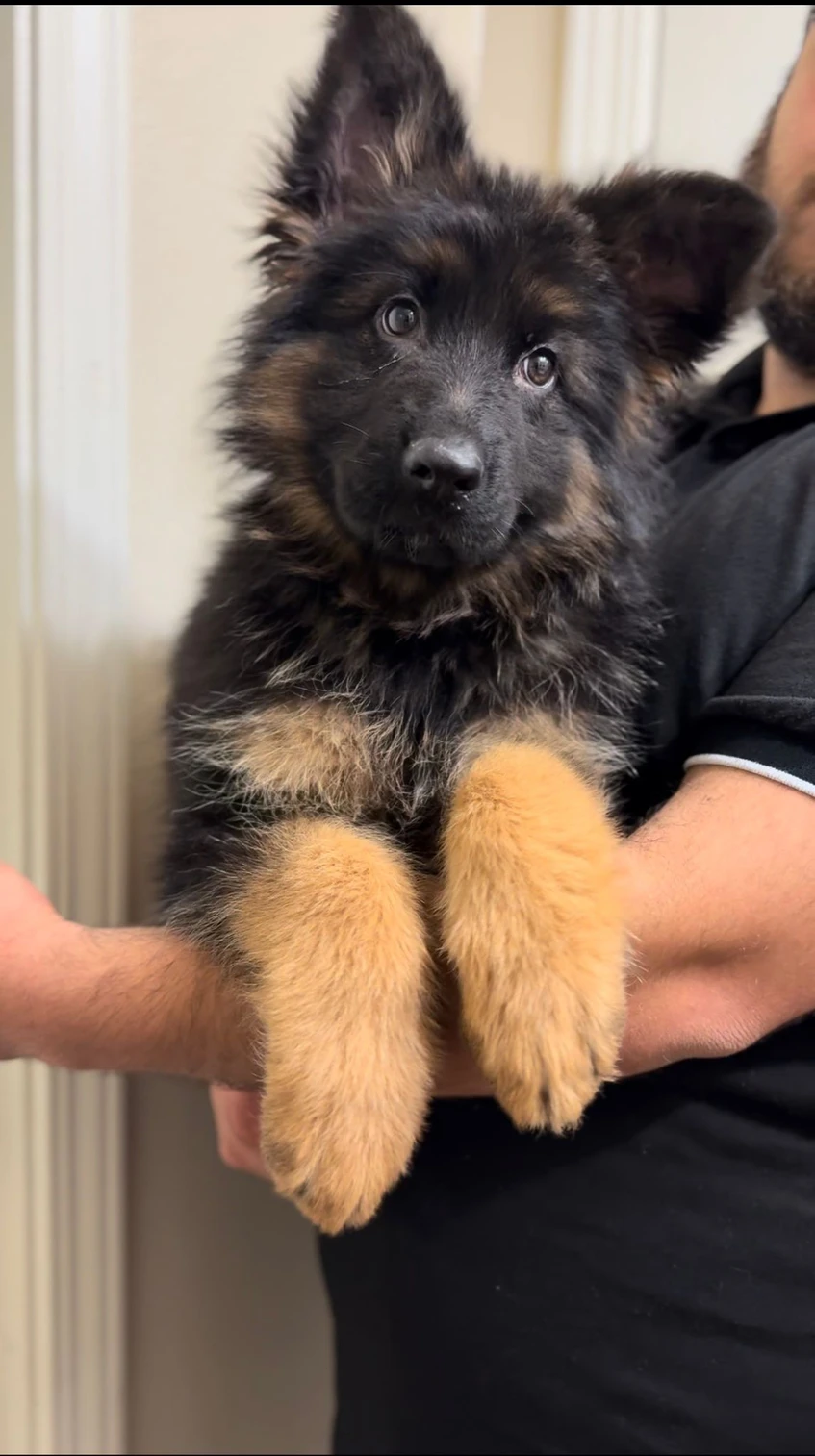
A long coat can carry moisture, leaves, mud, and outdoor debris back inside. Towels near the door, regular brushing, and checking the paws after wet walks are usually enough. Coat care should be routine rather than something saved for special occasions.
The Best Holiday Skill Is Learning to Settle
A puppy that can relax while people talk, eat, or move around the house is easier to include in family life. Build that skill with a bed or mat, short calm repetitions, and rewards for choosing to remain settled.
That ability to switch off is one of the qualities families should discuss when choosing a puppy. Temperament matters long after the holiday photos are gone.
A Holiday Memory Should Still Be About the Dog
Sully Bear’s public visibility made the pictures memorable, but the useful lesson is ordinary: puppies need routine, boundaries, rest, and family involvement. Christmas can add good experiences without asking a young dog to handle more than it is ready for.
For the broader story, see Meet Sully Bear: The German Shepherd Story Behind the Headlines.
Frequently Asked Questions
Should a German Shepherd puppy meet every holiday guest?
No. Short, positive introductions are enough. The puppy should also have a quiet place to rest and should never be forced to interact.
Can holiday routine changes affect puppy behavior?
Yes. Less sleep, extra visitors, travel, and irregular exercise can make a young dog more restless. Keeping the basic routine consistent helps.
How do I care for a long coat in wet weather?
Dry the coat and paws thoroughly, brush areas that mat easily, and remove debris after outdoor activity.
For independent breed context, the American Kennel Club German Shepherd Dog profile provides established information about the breed’s temperament, structure, and working purpose.