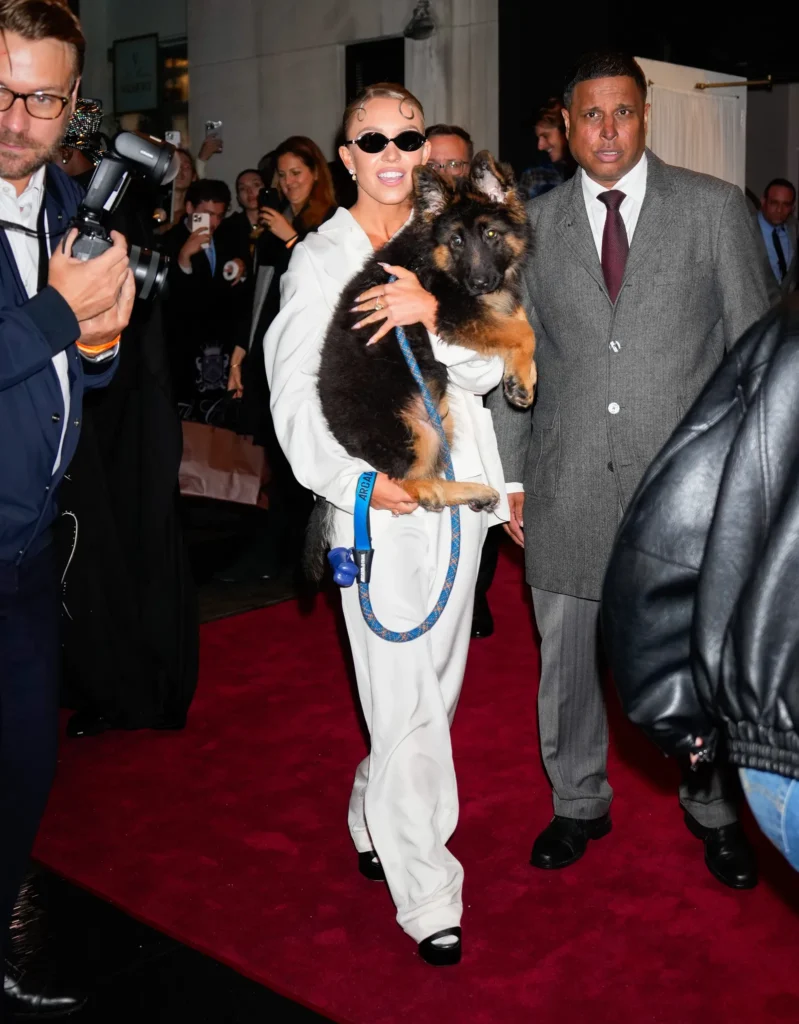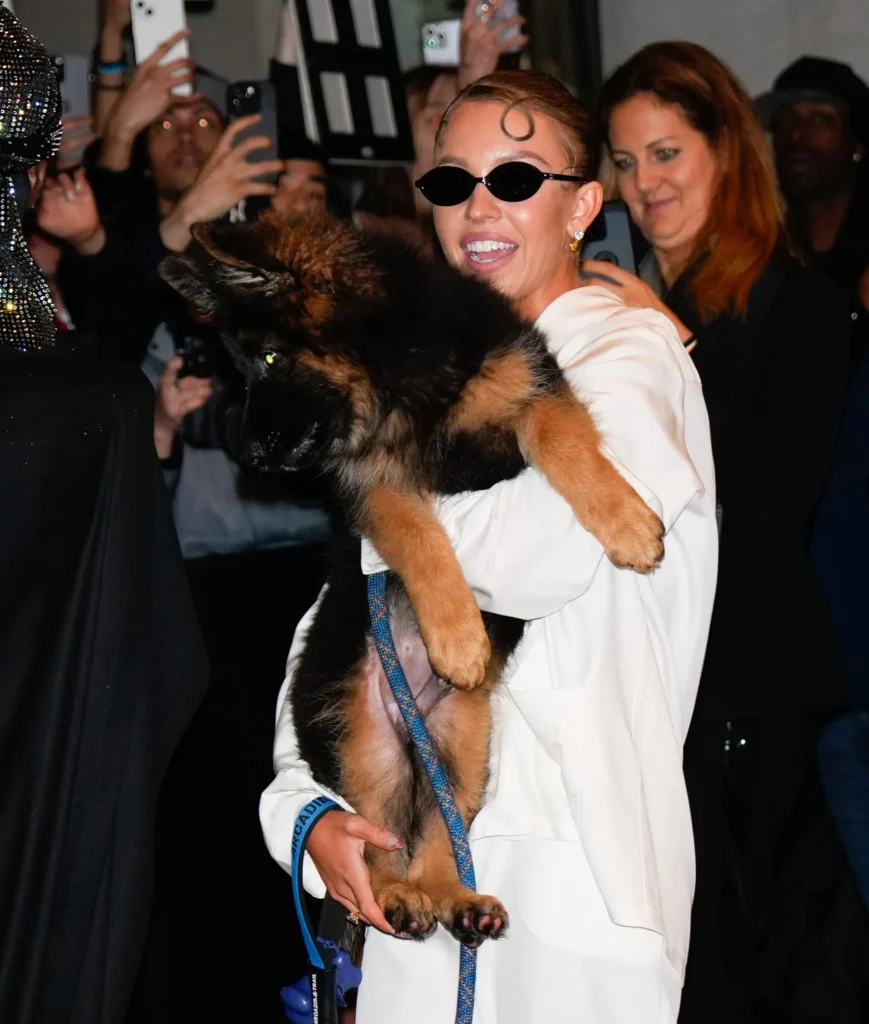

One reason Sully Bear caught so much attention is his classic black-and-red German Shepherd appearance combined with a long coat. It is a dramatic look, and it is also a good example of why buyers should separate appearance from the qualities that actually determine how a dog fits a home.
Color and coat length are inherited traits. They matter to breed type and personal preference, but neither one can tell you whether a puppy will be calm, confident, high-drive, easy to train, or healthy.
What Black-and-Red Describes
Black-and-red describes the distribution and depth of pigment visible on the dog. The exact shade can vary, and the appearance can change as a puppy matures. Lighting, coat condition, and seasonal coat can also make the same dog look different in photographs.
Long Coat Changes Presentation More Than Personality
The longer furnishings around the ears, neck, tail, and legs give a long-coat German Shepherd a fuller outline. The coat also creates more grooming responsibility. Regular brushing and careful drying help keep it clean and comfortable.
For a deeper look at the coat itself, see our guide to long-haired German Shepherds.

Color Does Not Predict Temperament
A black-and-red puppy is not automatically calmer, more social, or more trainable than a full-black puppy. Temperament comes from the broader genetics of the dog, the parents, early development, and the individual puppy.
That is why Royal Tribes K9 evaluates color as one part of the whole dog, alongside pedigree, health information, structure, movement, and temperament.
Why the Parents Matter More Than the Photograph
A puppy photo tells you what the puppy looked like at that moment. The sire and dam tell you much more about what the puppy may become. Ask about their size, coat, character, movement, and how they behave in everyday situations.
The German Shepherd pedigree adds another layer by showing the families behind those parents.
Royal Tribes K9’s Current Color Focus
Our current breeding focus is long-coat West German show line German Shepherds in black-and-red and full-black. Those are the colors most closely associated with the direction of our program today.
What Buyers Should Prioritize
- Stable temperament and appropriate energy for the household.
- Health information connected to the parents.
- Pedigree and consistency through the family.
- Structure and movement.
- Coat and color preference after the fundamentals are satisfied.

The Bottom Line
Sully Bear’s black-and-red long coat is part of what makes him visually memorable. The lesson for buyers is to enjoy the appearance without turning it into a shortcut for evaluating the dog. The best puppy is the one whose complete package fits the family.
Read the broader story in Meet Sully Bear.
Frequently Asked Questions
Does black-and-red color affect temperament?
No. Coat color does not determine temperament. Genetics beyond color, early development, training, and the individual dog matter far more.
Does a long coat require more grooming?
Usually yes. Longer furnishings benefit from regular brushing and careful drying, particularly during seasonal shedding.
Does black-and-red mean the dog is show line?
No. Color alone does not identify a bloodline. Pedigree and breeding history are what establish the dog’s lineage.
Color Is Only One Part of the Dog
Black-and-red coloring can be visually striking, especially as a German Shepherd puppy matures and the adult coat develops. But color does not tell a family how easy the dog will be to live with, how much energy it will have, how confidently it responds to new situations, or how well it will match the household’s training experience and routine.
A better evaluation keeps appearance in its proper place. Enjoy the coat you prefer, then compare the puppy’s temperament, parents, health information, structure, trainability, and ability to settle. The American Kennel Club German Shepherd Dog profile is a useful independent reference for the broader breed characteristics that matter beyond color.