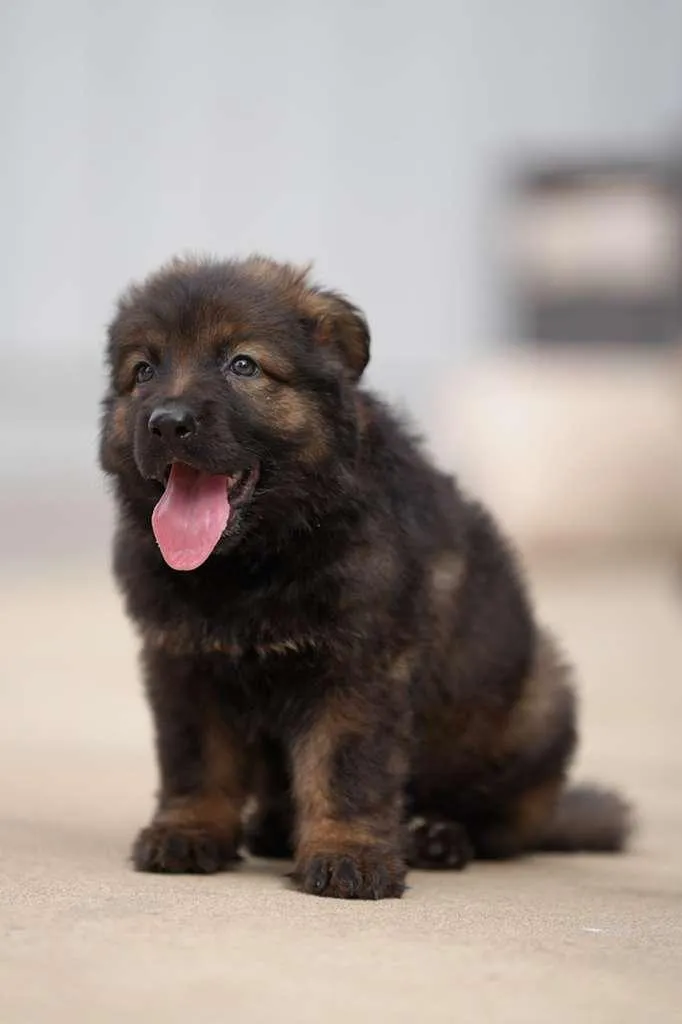
Yes, German Shepherds can live very successfully in cold climates.
Their size, athletic build, and double coat usually give them considerably more cold tolerance than many small or thin-coated breeds.
But that does not make a German Shepherd cold-proof.
When owners ask how cold is too cold for dogs, the mistake is often looking for one temperature that applies to every dog, every walk, and every winter day.
Cold exposure does not work that way.
A dry adult German Shepherd moving through fresh snow on a calm day is experiencing something completely different from a wet senior German Shepherd standing still in strong wind at the same temperature.
The thermometer matters.
But so do wind.
Water.
Time.
Activity.
Age.
Health.
Coat condition.
And the surface underneath the dog’s feet.
So instead of starting with one number, start with a simple equation.
The Winter Exposure Equation
Think about cold risk as five things working together:
Temperature × Wind × Moisture × Time × The Individual Dog
Change one part of the equation and the answer can change dramatically.
| Variable | Lower Cold Stress | Higher Cold Stress |
| Air | Cool but moderate | Deep freezing temperatures |
| Wind | Calm | Strong wind or wind chill |
| Coat | Dry | Wet, icy or heavily snow-covered |
| Activity | Walking or playing | Standing still for long periods |
| Exposure | Short outing | Prolonged outdoor time |
| Dog | Healthy conditioned adult | Puppy, senior or medically vulnerable dog |
This is a better starting point for understanding German Shepherd cold tolerance than assuming the coat alone answers everything.
The Double Coat Is Real Protection
A German Shepherd typically has a double coat.
The outer coat helps protect against environmental exposure.
Underneath it is a denser undercoat that helps trap insulating air close to the body.
That combination gives German Shepherds an important advantage in cool and cold conditions.
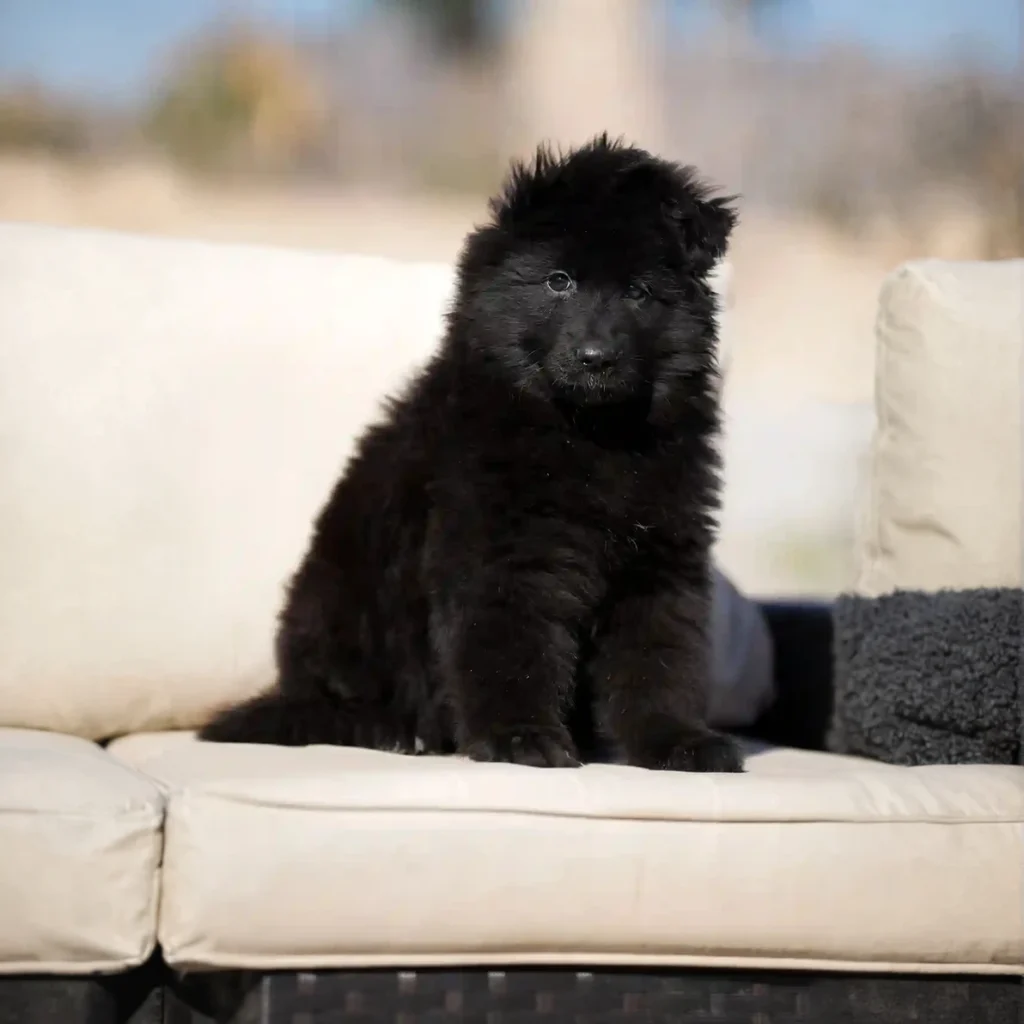
Long coat German Shepherds may look even more heavily insulated because of their longer outer hair and furnishings.
But length alone does not create unlimited cold tolerance.
The condition of the coat matters.
A dry, well-maintained coat works differently from one that is completely soaked, packed with snow, or heavily matted.
And no coat protects every part of the dog equally.
The paws remain exposed.
The ears are exposed.
The nose is exposed.
The tail and other extremities can lose heat.
So when asking how cold is too cold for dogs, remember that the German Shepherd’s torso may be well insulated while other areas become uncomfortable much earlier.
The Doorway Decision
Before every winter walk, pause at the door.
Do not start with:
“He has a German Shepherd coat. He’ll be fine.”
Run four quick checks instead.
Check the Weather
Temperature matters, but look beyond it.
Is it windy?
Snowing?
Freezing rain?
Wet?
Has the temperature dropped rapidly?
A calm freezing day and a wet, windy freezing day are very different exposures.
Check the Dog
Is your German Shepherd a healthy adult?
A growing puppy?
A senior?
Underweight?
Recovering from illness?
Already stiff before leaving the house?
The same weather can require different decisions for different dogs.
Check the Plan
Ten minutes of walking is not the same as an hour outdoors.
Active movement generates body heat.
Standing around does not.
A long obedience session where the dog remains stationary can therefore feel very different from a brisk walk.
Check the Escape Route
Can you shorten the outing quickly?
Are you close to home?
Can the dog get somewhere warm and dry?
Good winter management always leaves an easy way to end the activity.
How Cold Is Too Cold for Dogs? Use Temperature as a Warning System, Not a Guarantee
There is no perfect universal cutoff.
A useful way to think about winter temperature is in zones rather than one magic number.
Cool Weather
A healthy adult German Shepherd will often be comfortable in temperatures that feel cold to people, particularly when the dog is dry, moving, and accustomed to cooler weather.
Around Freezing
Conditions deserve more attention.
Snow, ice, wet ground, and frozen surfaces begin adding other risks even when the dog appears comfortable.
Puppies, seniors, dogs with health problems, and dogs that are wet may need shorter exposure.
Deep Cold
As temperatures fall well below freezing, outdoor time should become increasingly controlled.
Below roughly 20°F (-7°C), the possibility of hypothermia and frostbite becomes relevant for any dog if exposure is long enough.
A German Shepherd may tolerate cold better than many breeds, but better does not mean unlimited.
The question is always:
How is this particular dog responding right now?
The Snow Test Is More Useful Than the Breed Label
Watch the dog once the walk begins.
A German Shepherd enjoying winter may:
Move normally.
Sniff and explore.
Play.
Maintain normal posture.
Keep a normal pace.
Show interest in continuing.
A German Shepherd becoming uncomfortable may begin making different decisions.
The pace slows.
Paws start lifting repeatedly.
The dog searches for the shortest route home.
Movement becomes stiff.
The body becomes tucked.
The dog hesitates.
Shivering may begin.
Those changes are more useful than telling yourself:
“German Shepherds are built for cold.”
Breed influences tolerance.
Behavior tells you what is happening to the individual dog.
One Lifted Paw Can Change the Whole Walk
Winter discomfort is not always whole-body cold.
Sometimes the first problem is under the feet.
Ice can collect around pads and between toes.
Frozen surfaces can irritate paw tissue.
Road salt and chemical deicers can become another problem.
Some dogs repeatedly stop and lift one foot because something hurts rather than because their entire body is cold.
That is why dog paws in snow deserve a separate check.
During longer winter outings, occasionally look at the feet.
After returning home, inspect them again.
Snow packed around the toes should be removed gently.
If the dog has walked through treated sidewalks or roads, wiping or rinsing the paws can reduce residue left on the skin or later licked from the feet.
The Five-Minute Post-Walk Audit
Do not finish a winter walk the moment you close the door.
Use the next five minutes as information.
First, watch recovery.
Does your German Shepherd return to normal quickly?
Then check the paws.
Look between the toes.
Check pads for redness, cracks, ice, or unusual tenderness.
Dry wet areas.
Check long furnishings around the legs and underside for packed snow.
Run your hands through the coat.
A long-haired German Shepherd may carry far more moisture inside than the surface initially suggests.
Finally, watch the dog once it settles.
Comfortable recovery is useful evidence that the outing matched the dog’s tolerance.
Wet Fur Can Rewrite the Temperature
This is one of the most important winter rules.
A dry double coat traps insulating air.
Once the coat becomes soaked, that system becomes less effective.
Wind increases the problem by stripping heat away from the body more quickly.
So how cold is too cold for dogs changes when the dog is wet.
Cold rain can sometimes create a more difficult situation than dry snow at a somewhat lower temperature.
If your German Shepherd becomes soaked:
End unnecessary exposure.
Get indoors.
Dry the dog thoroughly.
Pay attention to the dense undercoat rather than only the long outer hair.
This matters especially with long coats because dampness can remain close to the skin after the exterior looks much drier.
Snow Is Not the Same as Cold Air
Snow changes the environment in several ways.
It can be enjoyable enrichment.
Many German Shepherds love moving through it.
But snow can also:
Hide sharp objects.
Pack between toes.
Turn into ice around the paws.
Make footing unstable.
Become wet against the underside of the dog.
Increase physical effort when it is deep.
The same route that takes twenty minutes on dry ground may require substantially more effort through deep snow.
That means exercise intensity changes even if distance does not.
Winter Fitness Has a Hidden Cost
A German Shepherd running through deep snow uses more energy than one walking on a dry sidewalk.
The dog must lift the limbs higher.
Maintain balance.
Push against resistance.
Correct for slippery surfaces.
That increased effort can be excellent exercise for an appropriate healthy dog.
It can also create fatigue faster than owners expect.
Do not assume:
“He only walked two miles.”
Ask:
What kind of two miles?
Winter terrain changes the workload.
Cold Weather and Senior German Shepherds
A senior German Shepherd needs a different decision system from a healthy young adult.
Older dogs may have arthritis, reduced muscle mass, less efficient temperature regulation, or other health conditions.
Cold weather does not automatically create arthritis, but owners may notice stiffness and mobility limitations more clearly during winter.
A senior dog may also move more slowly.
That matters because slower movement produces less body heat and means the dog may spend longer outside to cover the same distance.
When senior German Shepherd arthritis and mobility are already part of the picture, shorten outings as needed and judge the dog by comfort and recovery rather than by what the same dog could do several winters ago.
Puppies Need Their Own Winter Rules
A German Shepherd puppy may appear fearless about snow.
That does not mean the puppy has adult cold tolerance.
Young dogs have smaller bodies, immature thermoregulation, and very little judgment about when play should stop.
A puppy may continue chasing snow, running, biting at ice, and exploring simply because everything is new.
The owner needs to decide when the session ends.
Short, positive outings usually make more sense than waiting until the puppy looks genuinely cold.
For very young puppies, warmth and careful supervision become even more important.
An Adult Coat Does Not Arrive on Day One
A puppy’s coat develops as the dog matures.
So do body size and physical capacity.
Do not look at a twelve-week-old German Shepherd puppy and manage winter exposure exactly as you would for a strong, conditioned three-year-old adult.
This is especially relevant when families receive a puppy during winter in northern parts of the USA.
The breed may eventually handle cold very well.
The individual puppy is still a puppy today.
Body Condition Changes Cold Tolerance
A lean athletic dog and an underweight dog are not the same thing.
Body tissue contributes to insulation.
A dog that has lost meaningful weight because of illness may tolerate winter differently from the previous year.
Obesity is not a winter safety strategy either.
Excess weight creates its own health and mobility problems.
The goal is appropriate body condition.
If a German Shepherd suddenly seems much less tolerant of cold than before, look beyond the weather.
A change in tolerance can sometimes be one clue among broader German Shepherd health problems that deserve veterinary attention.
The Winter Coat Myth: More Fur Does Not Mean Unlimited Outdoor Time
A heavily coated German Shepherd can look as though winter cannot touch it.
That visual impression can lead to overly long exposure.
The coat is an advantage.
It is not a force field.
Wind still matters.
Wetness still matters.
Paws still matter.
Duration still matters.
Age still matters.
Health still matters.
And once environmental conditions overpower the dog’s ability to maintain normal body temperature, the fact that the breed has a double coat does not prevent hypothermia.
Frostbite and Hypothermia Are Different Problems
Cold-weather owners should understand both terms.
Frostbite
Frostbite is localized tissue injury caused by cold exposure.
Extremities are particularly vulnerable.
That can include:
Paws.
Ears.
Tail.
Other exposed areas.
The tissue may become unusually pale, gray, bluish, swollen, painful, or later darkened.
Do not aggressively rub suspected frostbitten tissue and do not apply intense direct heat.
Move the dog into a warmer environment and contact a veterinarian.
Hypothermia
Hypothermia is a dangerous drop in core body temperature.
This is a whole-body emergency.
A dog may initially shiver strongly.
As the condition progresses, the dog may become weak, lethargic, poorly coordinated, confused, or unusually quiet.
Severe hypothermia can affect breathing, heart function, consciousness, and survival.
If your German Shepherd seems significantly weak or neurologically abnormal after cold exposure, the goal is no longer finishing the walk or warming up casually at home.
Contact veterinary care promptly.
The Shivering Rule Has One Important Exception
Shivering is a warning sign.
But lack of shivering does not always mean the dog is safe.
A severely chilled animal can eventually become too compromised to maintain strong shivering.
So do not wait for dramatic shaking before ending exposure.
Use the entire dog:
Movement.
Mental awareness.
Coordination.
Posture.
Response to you.
Paw behavior.
Recovery.
The safest winter decisions happen before severe signs develop.
Ice Melt Is a Winter Problem the Coat Cannot Solve
Roads and sidewalks introduce another cold-weather hazard.
Salt and deicing products can irritate paws.
Residue can also end up on the fur and later be licked.
After walks through treated areas:
Check the paws.
Clean residue away.
Dry between toes.
Look for redness or cracking.
This is especially useful for long coat German Shepherds because snow and residue can become trapped in the longer hair around the feet and lower legs.
Antifreeze Is a Different Level of Risk
Antifreeze deserves special attention because ingestion can cause severe poisoning.
Do not allow a dog to investigate unknown vehicle fluids.
Clean spills immediately.
If you believe your German Shepherd may have consumed antifreeze, treat that as urgent veterinary poisoning exposure rather than waiting for symptoms to appear.
Winter safety is not only about body temperature.
The seasonal environment introduces new hazards.
The Winter Car Has the Opposite Problem From the Summer Car
Everyone knows a closed car can become dangerously hot in summer.
Winter creates the opposite possibility.
A parked vehicle can become extremely cold.
Do not use a car as unattended winter housing simply because your German Shepherd has a heavy coat.
The dog may remain comfortable while the vehicle is heated during travel.
Conditions can change quickly once the heat is switched off.
Again, how cold is too cold for dogs depends partly on exposure time.
Boots: Useful Tool or Unnecessary Accessory?
Not every German Shepherd needs boots for every winter walk.
They can nevertheless be useful in some situations.
Dogs walking repeatedly over salted surfaces.
Dogs with sensitive or damaged pads.
Extreme cold.
Sharp ice.
Long outings where snow continuously packs around the feet.
The most important thing is fit and gradual introduction.
A badly fitting boot that twists or rubs can create a new problem.
If your German Shepherd walks comfortably without them and the paws remain healthy, boots do not need to become mandatory winter equipment.
Does a German Shepherd Need a Winter Coat?
Often, a healthy adult German Shepherd with a normal double coat does not need additional insulation for ordinary cold-weather activity.
But this is not a rule for every dog.
A coat may be reasonable for an older dog.
A medically vulnerable dog.
A dog that has lost substantial coat.
A dog that becomes wet easily.
Or during unusually severe conditions.
The clothing should fit correctly and stay dry.
Winter clothing should support good management, not be used as permission to leave the dog outside indefinitely.
Acclimation Changes the Answer
A German Shepherd living through a Minnesota winter is not necessarily experiencing cold in exactly the same way as a dog that traveled from a warm climate yesterday.
Repeated appropriate exposure can improve acclimation.
Seasonal coat changes may also influence comfort.
That means the transition into winter deserves attention.
Do not assume that because the breed is cold tolerant, a dog accustomed to warm weather should immediately spend long periods outside during a sudden cold snap.
Build exposure sensibly.
The Cold-Climate Scorecard
Before a longer winter outing, mentally score these six questions.
| Question | Better Situation | More Caution Needed |
| Is the coat dry? | Dry | Wet |
| Is the wind mild? | Calm | Strong |
| Is the dog healthy? | Healthy adult | Puppy, senior or ill |
| Is the dog moving? | Active | Standing still |
| Are paws comfortable? | Normal gait | Lifting or licking paws |
| Can we get warm quickly? | Close to shelter | Remote or prolonged exposure |
If several boxes fall into the caution column, shorten the plan before the dog tells you it was too much.
Cold Weather Can Change Exercise Without Eliminating It
Winter does not mean German Shepherds should spend months on the couch.
They still need physical movement and mental stimulation.
You can change the format.
Shorter walks more often.
Training indoors.
Scent work.
Controlled play.
Food puzzles.
Obedience.
Short outdoor sessions followed by recovery.
Good winter dog safety is not about eliminating activity.
It is about separating necessary exercise from unnecessary exposure.
Compare Winter and Summer as Two Opposite Management Problems
Hot climates require owners to help German Shepherds release excess heat.
Cold climates require owners to prevent excessive heat loss.
The underlying principle is the same:
The dog’s routine should change when the environment changes.
Owners who also want the opposite side of the climate question can compare this with German Shepherd heat tolerance in hot climates.
The dog is the same breed.
The management problem is reversed.
Cold Tolerance Changes Across a German Shepherd’s Lifetime
A puppy grows.
The adult reaches peak conditioning.
The senior years eventually change strength, circulation, mobility, body composition, and recovery.
That means winter management should evolve over time.
The same dog that could spend hours enthusiastically moving through snow as a young adult may prefer shorter outings later.
Aging should not remove enjoyable activity.
It should change how the activity is planned.
The broader German Shepherd lifespan and senior care picture matters when owners adjust routines from one life stage to the next.
When Should You End the Walk Immediately?
Do not try to “push through” obvious cold distress.
Turn toward warmth if your German Shepherd develops significant shivering, repeatedly lifts paws, becomes unexpectedly slow, appears weak, loses coordination, seems mentally dull, or clearly tries to avoid continuing.
A dog does not need to collapse before the outing counts as too cold.
The earliest change is the best time to respond.
The Best Winter Rule Is Individual, Not Numerical
Owners naturally search how cold is too cold for dogs because a number feels simple.
But your German Shepherd is not a thermostat.
A young healthy adult with a dry double coat may happily enjoy conditions that make another dog uncomfortable.
Then change only one variable.
Make the coat wet.
Add wind.
Turn the dog into a senior.
Extend the outing from twenty minutes to two hours.
The answer changes.
Temperature is one part of the decision.
The dog’s response completes it.
Winter Questions German Shepherd Owners Ask
Can German Shepherds live in very cold climates?
Yes. Healthy German Shepherds generally have good cold tolerance because of their size and double coat, but they still require indoor shelter, monitoring, appropriate exercise, dry coat care, and protection from extreme or prolonged exposure.
How cold is too cold for dogs like German Shepherds?
There is no single safe cutoff for every German Shepherd. Risk increases as temperatures fall below freezing, and deep cold can expose any dog to hypothermia or frostbite when duration, wind, wetness, age, or health add to the exposure.
Do German Shepherds like snow?
Many do.
Snow can provide excellent physical and mental enrichment, but enthusiasm does not guarantee safety. Watch paws, fatigue, wet coat, and overall body language.
Can German Shepherds sleep outside in winter?
A German Shepherd’s cold tolerance should not be used as a reason to leave the dog outdoors overnight in severe winter weather.
A controlled indoor environment provides much safer protection from changing temperatures, wind, moisture, and emergencies.
Does a long-haired German Shepherd handle cold better?
A long coat may provide substantial insulation, but coat length is only one factor. Undercoat density, dryness, wind, age, health, activity, and exposure duration all influence actual tolerance.
Should I shave a German Shepherd during winter?
Routine shaving of a healthy double coat generally removes natural insulation the dog uses for temperature regulation.
Coat management should focus on brushing, preventing mats, and keeping the coat clean and dry unless clipping is medically necessary.
Do German Shepherd puppies need coats in snow?
Some puppies may benefit from additional insulation depending on age, temperature, wind, wetness, and duration. More importantly, puppy outings should be supervised and kept appropriate to their size and developmental stage.
Can cold weather hurt a senior German Shepherd’s joints?
Cold weather does not itself prove that arthritis has worsened, but owners commonly notice stiffness or reduced mobility more during cold conditions. Adjust exercise to the dog’s comfort and discuss persistent pain or mobility changes with a veterinarian.
What are the first signs my German Shepherd is too cold?
Watch for shivering, slowing down, tucked posture, repeated paw lifting, reluctance to continue, searching for shelter, or unusual behavior.
Can German Shepherds get frostbite?
Yes.
Their coat does not completely protect the paws, ears, tail, and other exposed tissue from severe cold.
Can German Shepherds get hypothermia?
Yes.
Any dog can develop hypothermia if heat loss exceeds the body’s ability to maintain normal core temperature for long enough.
Winter Should Be Enjoyed, Not Endured
German Shepherds are well equipped for cold compared with many breeds.
That is one reason so many of them appear completely at home in snow.
But good cold tolerance should expand safe winter activity—not encourage owners to ignore environmental limits.
Know the weather.
Notice wind.
Keep the coat dry.
Watch the paws.
Change the routine for puppies and seniors.
Pay attention to recovery.
End exposure when behavior changes.
And remember that how cold is too cold for dogs cannot be reduced to one line on a thermometer.
A healthy German Shepherd may thrive through snowy winters when the owner understands the difference between enjoying cold weather and being overexposed to it.
That is the goal:
Not keeping the dog away from winter.
Keeping the dog safe enough to enjoy it.