
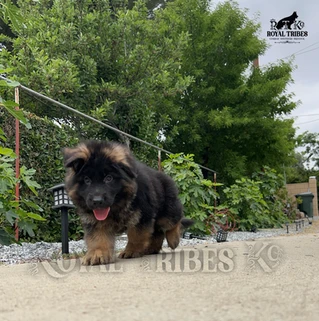
Older German Shepherd puppies from breeders can offer families a clearer view of temperament, size, coat, confidence, and daily behavior before placement. An older puppy can be a very practical choice for some families. By this stage, more of the dog’s temperament, size, coat, confidence, and daily behavior may already be visible, while the puppy is still young enough to continue bonding, training, and adapting to a new home.
An Older Puppy Can Offer More Information Before Placement
At 12 weeks or several months of age, a puppy has had more time to show patterns in confidence, energy, sociability, recovery, food motivation, play style, and ability to settle. That additional observation can help a breeder make a more informed match.
Older Does Not Mean ‘Too Late’ to Bond
German Shepherds can form strong attachments well beyond eight weeks of age. What matters is how the puppy has been raised and how the new family handles the transition. Consistent routines, training, play, feeding, and calm time together build the relationship.
What to Ask About an Older Puppy
- What training and house routines has the puppy already experienced?
- How does the puppy handle crates, leashes, car rides, grooming, and new environments?
- What social experiences has the puppy had?
- What is the puppy’s current feeding and bathroom schedule?
- Why does the breeder believe this puppy fits your home?
How to Evaluate a Puppy Purchase Without Pressure
Take enough time to verify the information that matters. A responsible breeder should be comfortable answering detailed questions, identifying the parents, explaining health records, and giving you time to read the contract. Urgency can be real when a specific puppy is popular, but urgency should never replace informed consent.
A Practical Buyer Checklist
- Confirm the puppy’s identity, age, sex, coat, and current status.
- Review the parents and available health information.
- Understand what is included with the puppy.
- Read deposit, payment, delivery, and health terms before sending money.
- Ask what the breeder expects from you after the puppy goes home.

How the Buying Process Reflects Breeder Quality
A strong buying decision is easier when the breeder can explain the program in specific terms. Ask what traits are being selected for, how the parents live and behave, what health information is available, and why the breeder believes a particular puppy fits your household. Answers that are concrete and consistent are more useful than broad claims such as ‘best bloodline’ or ‘perfect temperament.’
The buyer also has a responsibility to be honest. If the household has young children, other dogs, frequent travel, limited training experience, or a very busy schedule, that information should be part of the matching conversation. A breeder cannot make a good recommendation from coat color and sex alone.

Red Flags That Deserve a Second Look
- The breeder will not clearly identify the sire and dam.
- Health claims are made without records or clear explanations.
- The seller pressures you to pay immediately before you can read the agreement.
- Every puppy is described with the same temperament regardless of age or behavior.
- The breeder avoids questions about support, returns, health concerns, or what happens if the match is not right.
- Photos and marketing are detailed, but the puppy’s actual records and background are vague.
What a Strong Reservation Process Should Feel Like
A good process should become more organized as you move forward. You should know which puppy or litter is being discussed, what is included, what the next payment or reservation step means, how the puppy will travel or be picked up, which records are provided, and how to contact the breeder after placement.
For readers researching older German Shepherd puppies from breeders, this outside reference adds independent context. For veterinary guidance across puppy, adult, and senior stages, the AAHA Canine Life Stage Guidelines covers preventive care, behavior, nutrition, safety, and other life-stage needs.
That clarity protects both sides. It reduces misunderstandings and makes it easier for the family to prepare before the puppy arrives. The goal is not to make a purchase feel complicated; it is to make the important expectations visible before money and emotion make the decision harder to reverse.
Preparing for the First Week
Before the puppy comes home, choose a sleeping area, feeding routine, bathroom schedule, crate or confinement plan, veterinarian, and basic training rules. Decide which family members will handle meals, walks, nighttime breaks, and supervision. A consistent first week helps a German Shepherd understand the new environment more quickly.
Questions such as older German Shepherd puppies from breeders buyer checklist and older German Shepherd puppies from breeders breeder questions are most useful when they lead to practical action. The right purchase is not only about finding a puppy; it is about setting up the puppy to succeed after the purchase.
Putting This Information in Context
One of the easiest mistakes with older German Shepherd puppies from breeders is to treat one characteristic as if it explains the entire dog. German Shepherds are the result of genetics, early raising, training, health, environment, and daily management. A useful article should help you make a better decision without pretending that every dog will follow the same script.
The German Shepherd Dog Club of America breed standard is a useful outside reference for the breed’s intended character and overall qualities. Breed standards and educational resources are most helpful when they are combined with information about the actual sire, dam, puppy, and household.
What to Verify Before You Decide
- The registered identity and background of the sire and dam when pedigree information is relevant.
- Available health information that can be tied to the correct dogs.
- The breeder’s explanation of temperament, structure, and why the pairing was made.
- The individual puppy’s age, behavior, social development, and current routine.
- The written terms covering records, health protection, pickup or delivery, and breeder support.
Why the Individual Puppy Still Matters
Even when older German Shepherd puppies from breeders is the reason a family begins researching, the final decision should be about the individual puppy. Littermates can vary in confidence, independence, energy, sensitivity, food motivation, play style, and ability to settle. A breeder who has spent time with the litter can often provide information that a photo cannot.
Families should also be realistic about their own routine. The best match for a busy household with children may be different from the best match for an experienced handler who wants intensive training or sport. Matching is strongest when both the breeder and the buyer are specific about what the dog will be expected to do every day.
Related reading: Why Quality Breeders Charge More for Puppies.