

If you are researching German Shepherd puppy buying process, the most useful approach is to separate emotion from the decision process. A German Shepherd puppy is a long-term commitment, and the quality of the breeder, the parents, the puppy’s temperament, the health information, and the contract matter more than a polished advertisement. This guide focuses on the practical questions that help buyers compare options without rushing.
Understanding German Shepherd puppy buying process in Real Life
The best way to understand German Shepherd puppy buying process is to connect the topic to daily ownership. German Shepherds need clear routines, exercise, training, socialization, grooming, and veterinary care. The exact balance changes with age, temperament, health, and the household.
What Owners Should Evaluate
- Temperament and energy level.
- Health history and current condition.
- Training and socialization needs.
- Family schedule and living environment.
- Breeder support and long-term expectations.
How to Evaluate German Shepherd puppy buying process Without Getting Pressured
Take enough time to verify the information that matters. A responsible breeder should be comfortable answering detailed questions, identifying the parents, explaining health records, and giving you time to read the contract. Urgency can be real when a specific puppy is popular, but urgency should never replace informed consent. In this article, that principle is applied specifically to German Shepherd puppy buying process and the decisions owners or buyers make around it.
For more context, review our available German Shepherd puppies, about Royal Tribes K9 and health guarantee.
A Practical Buyer Checklist
- Confirm the puppy’s identity, age, sex, coat, and current status.
- Review the parents and available health information.
- Understand what is included with the puppy.
- Read deposit, payment, delivery, and health terms before sending money.
- Ask what the breeder expects from you after the puppy goes home.
How German Shepherd puppy buying process Connects to Breeder Quality
A strong buying decision is easier when the breeder can explain the program in specific terms. Ask what traits are being selected for, how the parents live and behave, what health information is available, and why the breeder believes a particular puppy fits your household. Answers that are concrete and consistent are more useful than broad claims such as ‘best bloodline’ or ‘perfect temperament.’ In this article, that principle is applied specifically to German Shepherd puppy buying process and the decisions owners or buyers make around it.
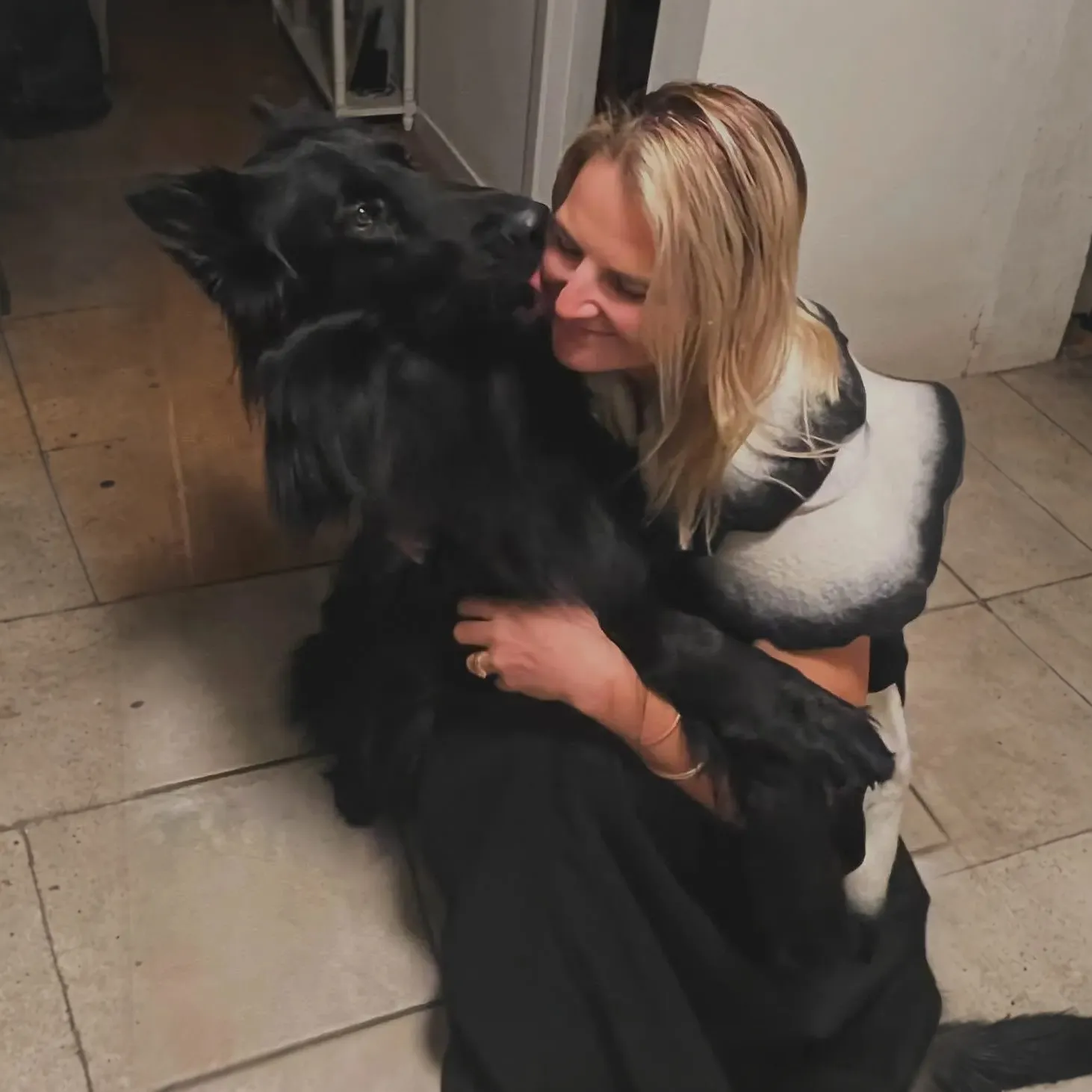
The buyer also has a responsibility to be honest. If the household has young children, other dogs, frequent travel, limited training experience, or a very busy schedule, that information should be part of the matching conversation. A breeder cannot make a good recommendation from coat color and sex alone. In this article, that principle is applied specifically to German Shepherd puppy buying process and the decisions owners or buyers make around it.
Red Flags That Deserve a Second Look
- The breeder will not clearly identify the sire and dam.
- Health claims are made without records or clear explanations.
- The seller pressures you to pay immediately before you can read the agreement.
- Every puppy is described with the same temperament regardless of age or behavior.
- The breeder avoids questions about support, returns, health concerns, or what happens if the match is not right.
- Photos and marketing are detailed, but the puppy’s actual records and background are vague.
What a Strong Reservation Process Should Feel Like
A good process should become more organized as you move forward. You should know which puppy or litter is being discussed, what is included, what the next payment or reservation step means, how the puppy will travel or be picked up, which records are provided, and how to contact the breeder after placement. In this article, that principle is applied specifically to German Shepherd puppy buying process and the decisions owners or buyers make around it.
For readers researching German Shepherd puppy buying process, this outside reference adds independent context. For an independent buyer checklist, the AKC questions to ask a potential breeder can help families prepare for a more informed conversation before choosing a puppy.
That clarity protects both sides. It reduces misunderstandings and makes it easier for the family to prepare before the puppy arrives. The goal is not to make a purchase feel complicated; it is to make the important expectations visible before money and emotion make the decision harder to reverse. In this article, that principle is applied specifically to German Shepherd puppy buying process and the decisions owners or buyers make around it.
Preparing for the First Week
Before the puppy comes home, choose a sleeping area, feeding routine, bathroom schedule, crate or confinement plan, veterinarian, and basic training rules. Decide which family members will handle meals, walks, nighttime breaks, and supervision. A consistent first week helps a German Shepherd understand the new environment more quickly. In this article, that principle is applied specifically to German Shepherd puppy buying process and the decisions owners or buyers make around it.

Questions such as German Shepherd puppy buying process buyer checklist and German Shepherd puppy buying process breeder questions are most useful when they lead to practical action. The right purchase is not only about finding a puppy; it is about setting up the puppy to succeed after the purchase.
How to Put German Shepherd puppy buying process in Context
One of the easiest mistakes with German Shepherd puppy buying process is to treat one characteristic as if it explains the entire dog. German Shepherds are the result of genetics, early raising, training, health, environment, and daily management. A useful article should help you make a better decision without pretending that every dog will follow the same script.
The German Shepherd Dog Club of America breed standard is a useful outside reference for the breed’s intended character and overall qualities. Breed standards and educational resources are most helpful when they are combined with information about the actual sire, dam, puppy, and household. In this article, that principle is applied specifically to German Shepherd puppy buying process and the decisions owners or buyers make around it.
What to Verify Instead of Assuming
- The registered identity and background of the sire and dam when pedigree information is relevant.
- Available health information that can be tied to the correct dogs.
- The breeder’s explanation of temperament, structure, and why the pairing was made.
- The individual puppy’s age, behavior, social development, and current routine.
- The written terms covering records, health protection, pickup or delivery, and breeder support.
Why the Individual Puppy Still Matters
Even when German Shepherd puppy buying process is the reason a family begins researching, the final decision should be about the individual puppy. Littermates can vary in confidence, independence, energy, sensitivity, food motivation, play style, and ability to settle. A breeder who has spent time with the litter can often provide information that a photo cannot.
Families should also be realistic about their own routine. The best match for a busy household with children may be different from the best match for an experienced handler who wants intensive training or sport. Matching is strongest when both the breeder and the buyer are specific about what the dog will be expected to do every day. In this article, that principle is applied specifically to German Shepherd puppy buying process and the decisions owners or buyers make around it.
Related reading: Buy a Pet – Step-by-Step Guide to Buying a Puppy from Royal Tribes K9.
Frequently Asked Questions About German Shepherd puppy buying process
What is the most important thing to know about German Shepherd puppy buying process?
The most important point is to evaluate the topic in the context of the whole dog. Health, temperament, pedigree, training, environment, and owner expectations usually matter more than one label or one number. In this article, that principle is applied specifically to German Shepherd puppy buying process and the decisions owners or buyers make around it.
How much should I rely on breeder marketing claims?
Use marketing as a starting point, then verify the details. Ask for specific parent information, records, pedigree context, contract terms, and an explanation of why the breeder believes the puppy fits your goals. In this article, that principle is applied specifically to German Shepherd puppy buying process and the decisions owners or buyers make around it.
Does every German Shepherd from the same bloodline behave the same way?
No. Bloodlines influence tendencies, but individual puppies can differ in confidence, drive, sociability, sensitivity, and energy even within the same litter. In this article, that principle is applied specifically to German Shepherd puppy buying process and the decisions owners or buyers make around it.
What should I do before making a final decision?
Review the puppy and parent information, discuss your household honestly, read the contract, understand the health and delivery terms, and make sure your expectations match the dog’s likely needs. In this article, that principle is applied specifically to German Shepherd puppy buying process and the decisions owners or buyers make around it.