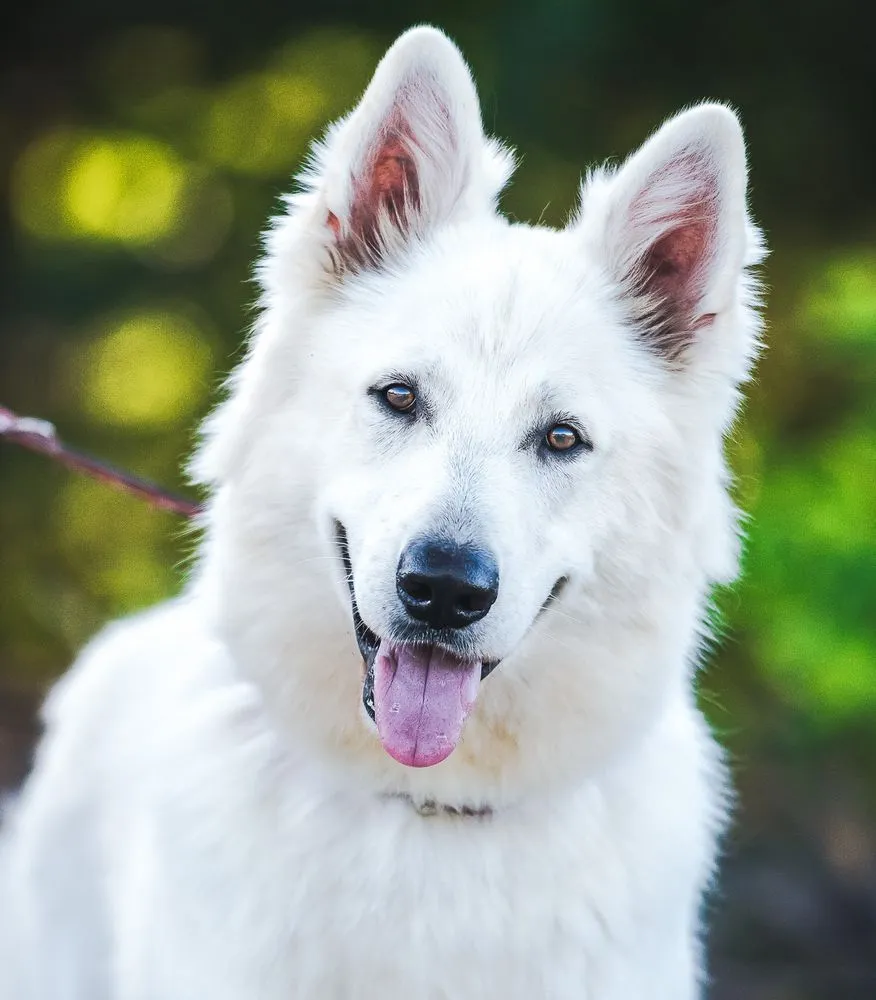
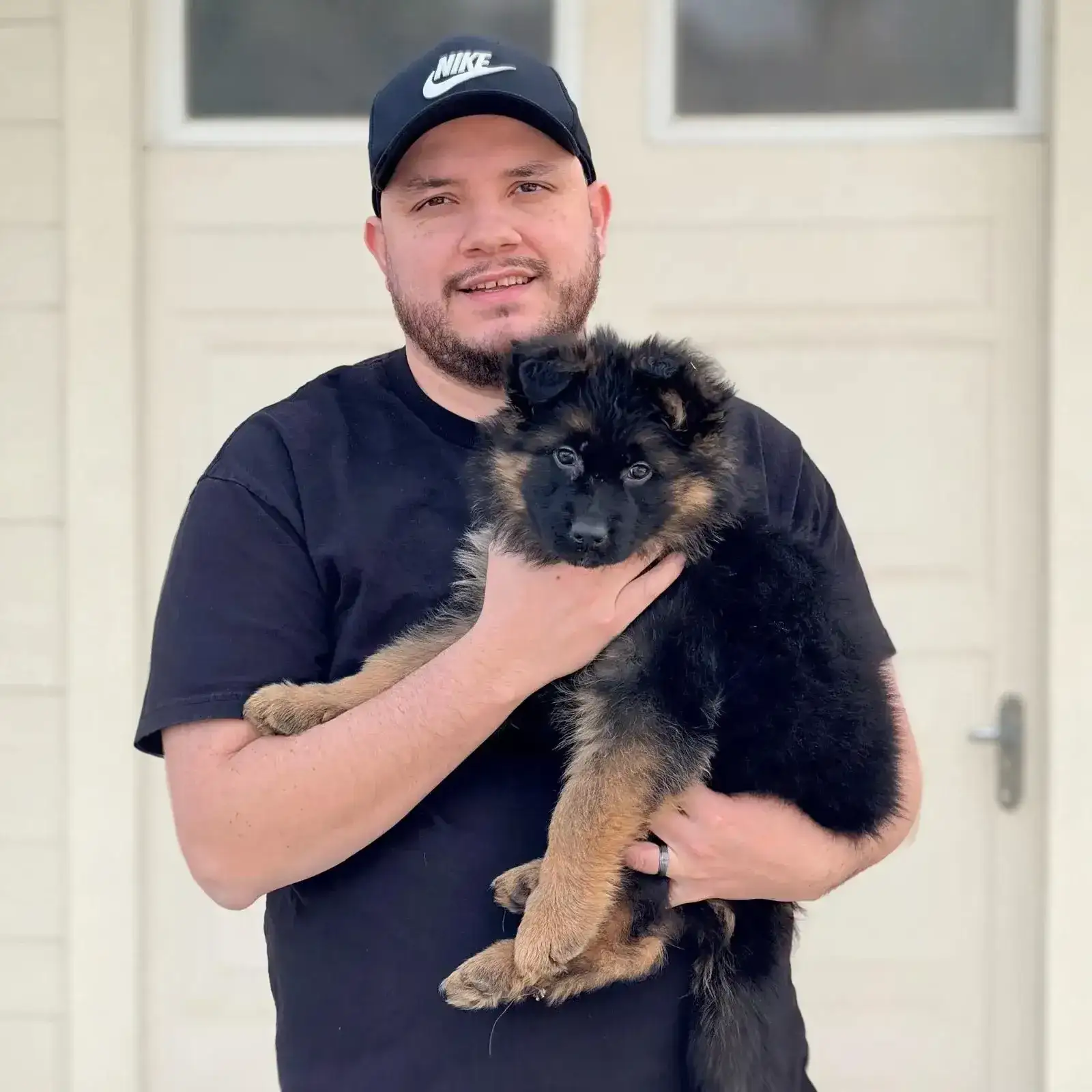
Temperament makes more sense when it is compared with the household. For a family in Oyster Bay Cove, the useful questions are how active the home is, who lives there, what training experience is available, and how much time can be given to exercise, structure, and rest. Families in Oyster Bay Cove can make the first month easier by deciding on the basic routine before arrival. Where the puppy sleeps, how bathroom trips are handled, when training and play happen, and how rest is protected all help create consistency while the puppy adjusts. For the first weeks in Oyster Bay Cove, New York, keep the routine simple enough to repeat every day. Bathroom trips, crate comfort, short leash and recall work, calm handling, appropriate social exposure, play, and enough rest build a stronger foundation than trying to teach too many commands at once.
Families in Oyster Bay Cove can get more from the first month by choosing a few important routines and practicing them consistently instead of trying to teach everything at once. Keeping rules and cues consistent between family members helps reduce mixed signals, while brief practice throughout the day gives the puppy many chances to succeed without becoming overwhelmed. Progress can then be measured by reliability and recovery rather than by how many commands the puppy has been introduced to in a short period of time.
German Shepherd puppies learn quickly, so consistency matters from the beginning. Simple household rules, short training sessions, calm exposure to normal life, leash skills, recall work, and appropriate rest create a useful foundation. A family in Oyster Bay Cove should be able to picture the puppy in its actual routine, not just on selection day. Our FAQ covers common ownership and preparation questions.
For a more detailed training perspective, read our guide to German Shepherd puppy trainability. Use the article to clarify the checklist, then verify the relevant facts in the puppy’s own profile.
For a home in Oyster Bay Cove, the first training plan should focus on habits the family can keep. House training, crate comfort, leash foundations, recall, handling, and calm social exposure can all be practiced in short sessions. If the puppy becomes overstimulated or tired, rest and routine are often more productive than adding another new experience.
Planning for Your German Shepherd in Oyster Bay Cove
For a family in Oyster Bay Cove, the strongest puppy match usually starts with the real daily routine rather than a photo or color preference. Things such as household traffic, exercise habits, experience with large dogs, children, other pets, and realistic training time are more informative than asking for the calmest or most active puppy. It also gives a family in Oyster Bay Cove a consistent way to compare two or three puppies when more than one looks appealing.
For the first days in Oyster Bay Cove, consistency matters more than trying to introduce every rule and experience at once. Keep feeding, bathroom breaks, sleep, crate time, play, and very short training sessions predictable while the puppy learns the new environment. Once the routine is working in Oyster Bay Cove, the family can build on it rather than constantly resetting the rules.
Coat maintenance for a puppy in Oyster Bay Cove works best when brushing, paw handling, ear checks, and nail care are introduced in short sessions. Regular handling of the paws, ears, collar area, legs, and tail also makes later grooming and routine veterinary care easier. For a family in Oyster Bay Cove, the best grooming schedule is the one that stays short enough to repeat consistently.
A family receiving a puppy in Oyster Bay Cove, New York should confirm the travel plan only after the puppy, route, timing, and handoff method are known. The family should know what food the puppy is eating, which records are being provided, how the puppy will be secured during travel, and who to contact at arrival. That preparation helps the household in Oyster Bay Cove focus on a calm first day instead of trying to solve logistics after arrival.