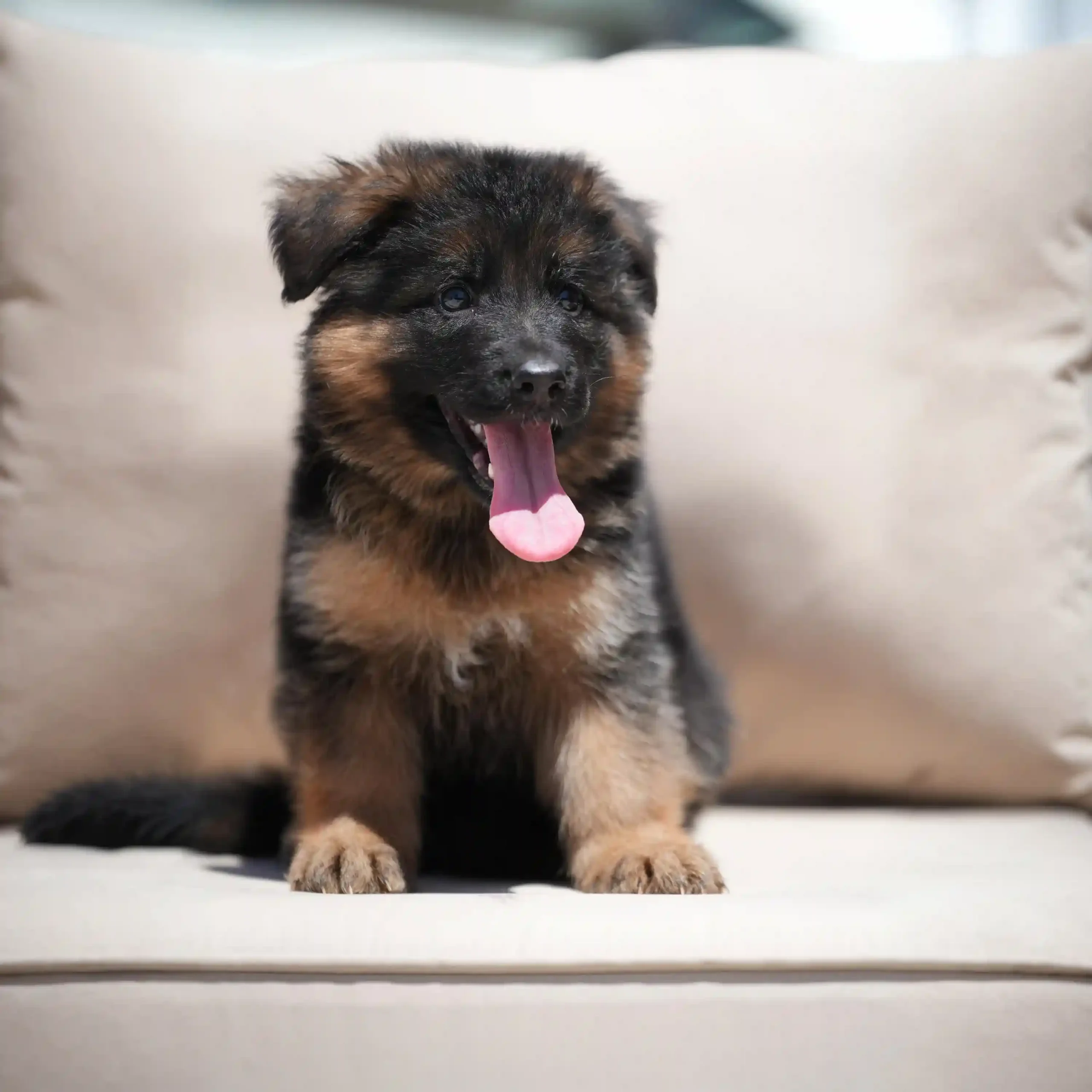
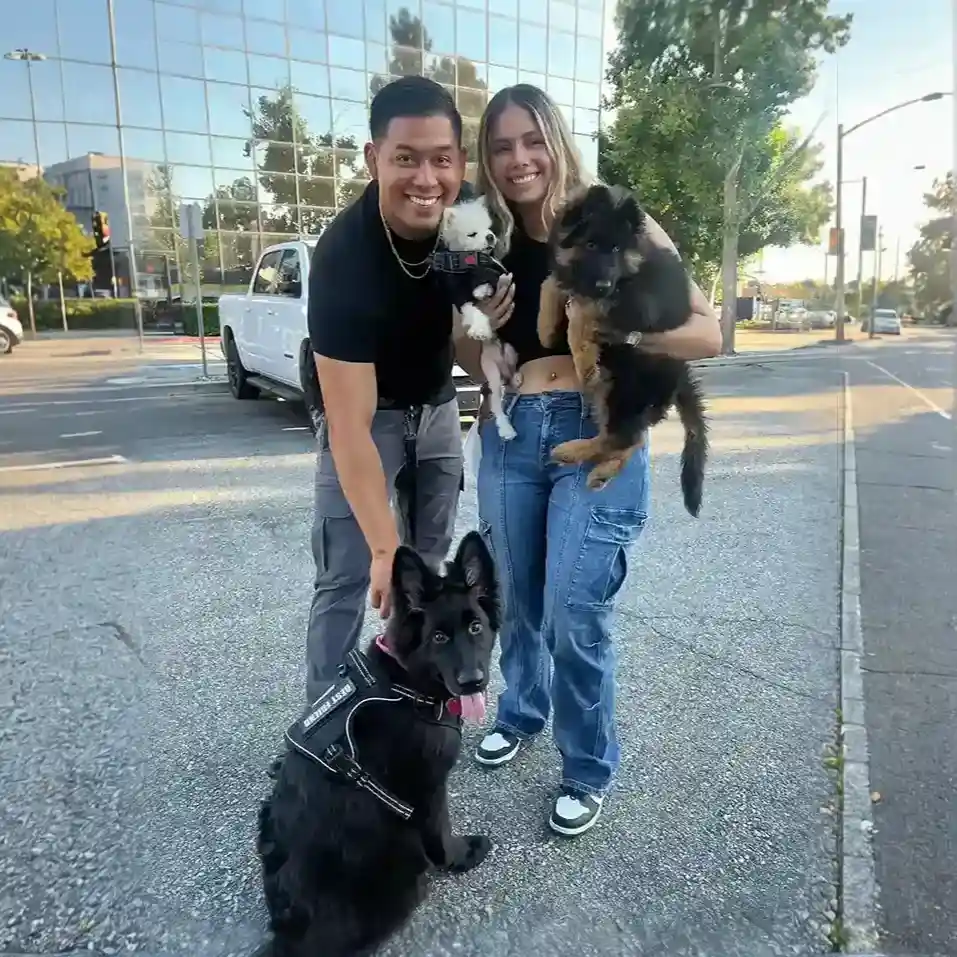
The puppy and the household need to make sense together. For buyers in Chico, activity level, schedule, children or pets, previous dog experience, training goals, and the amount of daily structure available are all useful parts of the temperament discussion. The first month is usually more successful when the family focuses on habits rather than a long list of commands. In Chico, crate comfort, bathroom routines, leash foundations, recall, calm handling, appropriate play, and regular rest give the puppy a clear structure. Families in Chico, California often get better results by building training into normal life. A few consistent rules, short practice periods, calm exposure to the environment, appropriate exercise, mental engagement, and scheduled rest make the expectations easier for a young German Shepherd to understand.
Families in Chico can get more from the first month by choosing a few important routines and practicing them consistently instead of trying to teach everything at once. Keeping rules and cues consistent between family members helps reduce mixed signals, while brief practice throughout the day gives the puppy many chances to succeed without becoming overwhelmed. Progress can then be measured by reliability and recovery rather than by how many commands the puppy has been introduced to in a short period of time.
The best early training plan is one the family can actually maintain. Crate and house training, leash work, recall, calm handling, socialization, mental engagement, and rest should fit naturally into the household schedule. The strongest match is usually the puppy whose temperament and energy fit the family’s real day-to-day schedule. Our FAQ covers common ownership and preparation questions.
For supporting context on breeder standards, review our guide to responsible German Shepherd breeding. Use the article to clarify the checklist, then verify the relevant facts in the puppy’s own profile.
A useful first-month plan for a household in Chico is to keep training short and daily. Work on crate and house routines, attention to the handler, leash skills, recall foundations, calm handling, and settling after play. Socialization should be thoughtful rather than rushed, with new experiences added at a pace the puppy can handle confidently.
Planning for Your German Shepherd in Chico
A family in Chico can make the selection process much more useful by talking through the ordinary routine instead of describing an ideal schedule. Temperament makes more sense when it is viewed beside the family's activity level, work routine, experience, other animals, children, and expectations for the adult dog. That information lets the conversation stay focused on long-term fit for a home in Chico, not just which puppy catches the eye first.
Before homecoming in Chico, families can reduce unnecessary stress by deciding where the puppy sleeps, eats, rests, and goes for bathroom breaks. A clear routine for meals, bathroom trips, crate comfort, handling, play, and rest gives the puppy a steady framework while everything else is new. Keeping the first days steady in Chico gives the family a useful baseline for the puppy's appetite, sleep, energy, and adjustment.
The fuller coat many families in Chico prefer is easier to manage when the puppy learns early that grooming is part of normal life. Short brushing sessions make it easier to check the ears, collar area, legs, tail, paws, and other places where longer hair can collect loose coat or tangle. For a family in Chico, the best grooming schedule is the one that stays short enough to repeat consistently.
Transportation to Chico, California is most useful when the plan is built around the selected puppy and the actual trip. Confirm the current food, records, identification information, water plan, secure crate or restraint setup, arrival window, and the contact handling the final handoff. When those details are known in advance, the family in Chico can keep arrival day simple and predictable for the puppy.