
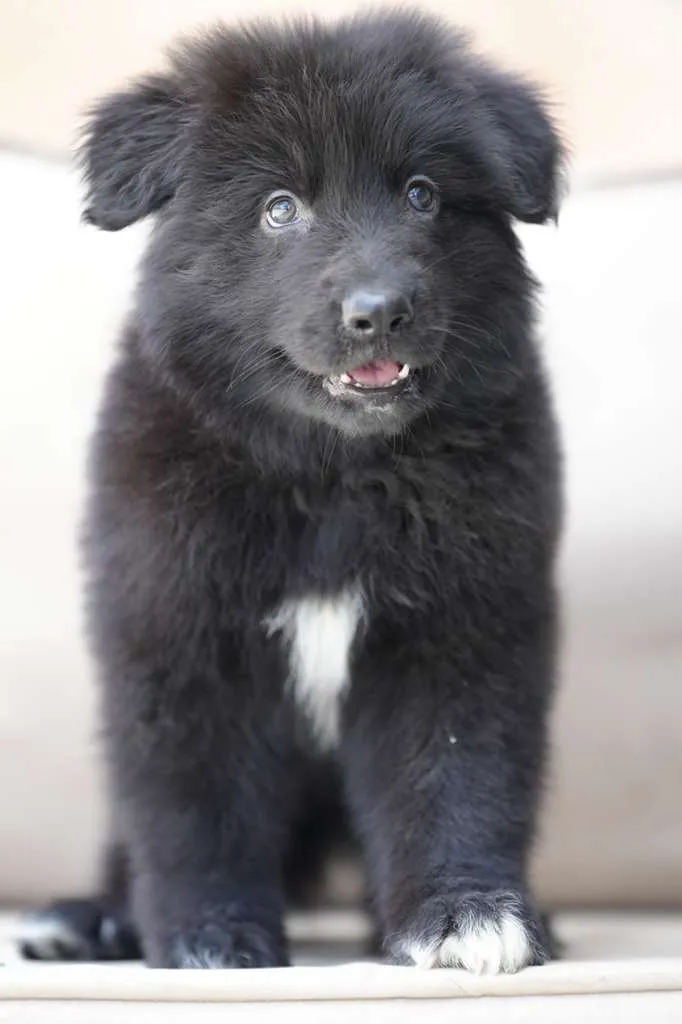
German Shepherd buying guide is easy to imagine as a simple sequence.
Find a puppy. Choose a color. Choose a male or female. Talk to the breeder. Bring the puppy home.
But real households are rarely that simple.
You may work full time. You may already own an adult dog. Your current dog may be intact. You may live on a farm with chickens or livestock. You may be considering two puppies at once.
Those details are not side issues. They are part of the puppy-selection decision.
The right German Shepherd puppy is not simply the puppy you like most. It is the puppy whose temperament, developmental needs, management requirements, and long-term role can realistically fit the life you already have.
Start With the Life the Puppy Is Entering
Before you compare puppies, compare your actual household with the life you expect the puppy to live. A useful German Shepherd buying guide should begin with lifestyle fit before appearance.
Do not start with: “What color do I want?” Start with: “What will this dog need to succeed here?”
Think through an ordinary weekday. Who wakes up first? Who handles the puppy in the morning? How long is the home empty? Who provides bathroom breaks? What animals are already present? Where will the puppy sleep? Where will training happen? Who manages the dog when you travel?
German Shepherd Buying Guide: The Seven Fit Checks Before You Commit
Instead of treating every buyer the same, work through seven decision points. This German Shepherd buying guide uses each one to test whether the puppy truly fits the household.
1. Time Fit: Does Your Schedule Work for a Puppy?
A German Shepherd puppy may need frequent bathroom trips, short training sessions, feeding on a schedule, socialization, supervision, safe rest, age-appropriate exercise, human interaction, and gradual alone-time training.
A person who works full time may absolutely be able to provide those things, but the plan needs to exist before the puppy arrives.
For a complete workday plan, use the dedicated full-time work guide in the Scenario Selector below.
2. Dog Fit: What Happens If You Already Own Another Dog?
A strong German Shepherd buying guide should also consider the resident dog, because buyers often focus entirely on the new puppy and forget that the current dog is part of the placement decision.
Ask how your current dog behaves around puppies, adult dogs, food, toys, visitors, excitement, shared attention, and new animals entering the home.
3. Reproductive Fit: What If the Dog You Already Own Is Intact?
An intact dog is not automatically aggressive, dominant, or difficult. Intact status is reproductive status. Temperament still needs to be evaluated individually.
If the household may eventually contain an intact male and intact female, management becomes essential once the younger dog reaches reproductive maturity.
If this is your household, use the dedicated intact-dog introduction guide in the Scenario Selector below.
4. Number Fit: Are You Considering Two Puppies at Once?
Two German Shepherd puppies can look like the perfect combination, but two puppies do not simply equal twice the food and twice the veterinary bills.
Each puppy still needs individual training, socialization, bonding, walks, crate or rest skills, time away from the other puppy, and confidence without the sibling present.
For the full decision process, use the two-puppy planning guide in the Scenario Selector below.
5. Environment Fit: Will the Puppy Live Around Chickens or Livestock?
A farm changes the selection process. Movement matters. Impulse control matters. Recovery matters. Ability to disengage matters. Physical management matters.
For a complete farm-selection framework, use the farm and livestock guide in the Scenario Selector below.
6. Temperament Fit: What Kind of German Shepherd Actually Matches the Household?
A puppy may be beautiful and still be the wrong fit. A puppy may be confident and still be too intense for the household.
In this German Shepherd buying guide, the goal is not to identify the universally “best puppy.” There is only a better or worse match for a particular home.
7. Long-Term Fit: Stop Evaluating Only the Puppy Stage
One of the biggest mistakes a German Shepherd buying guide should help prevent is planning only for the first few months.
Imagine the same dog at ten weeks, six months, one year, three years, and eight years. The cute puppy may become a large adolescent with strength, confidence, energy, and opinions.
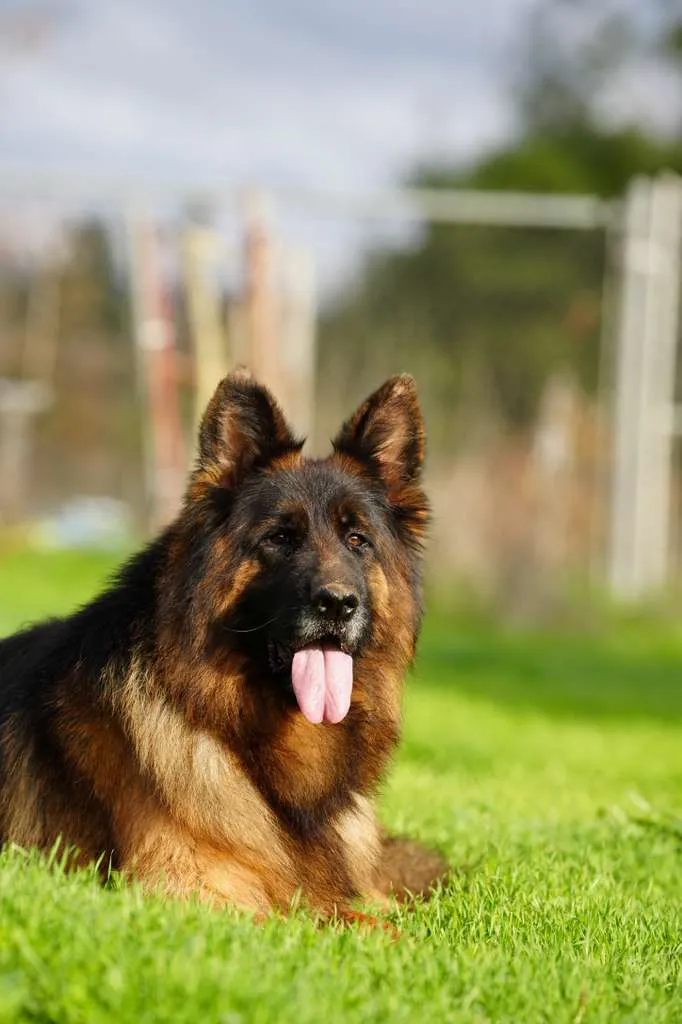
The Scenario Selector
Scenario A: “I Work Full Time”
Your priority questions are how long the puppy will actually be alone, who provides midday care, whether your morning supports the puppy, whether you still have energy after work, and whether alone time can be built gradually.
Next guide: Buying a German Shepherd Puppy When You Work Full Time
Scenario B: “I Want Two Puppies”
Your priority questions are whether both puppies can be trained separately, socialized individually, rested separately, and supported with enough time and money for two large dogs.
Next guide: Should You Buy Two German Shepherd Puppies at Once?
Scenario C: “We Live on a Farm”
Your priority questions are what animals are present, how secure the fencing is, whether the dog has access to poultry, what happens if livestock runs, and whether the puppy can disengage from movement.
Next guide: Buying a German Shepherd Puppy for a Farm With Livestock or Chickens
Scenario D: “I Already Own an Intact Dog”
Your priority questions are the sex of the new puppy, how the current dog behaves with other dogs, whether the dogs can be separated, what changes during adolescence, and how accidental breeding will be prevented.
Next guide: Buying a German Shepherd Puppy When You Already Own an Intact Dog
What If More Than One Scenario Applies?
Maybe you work full time and already own an intact dog. Live on a farm and want two puppies. Work long hours and own livestock. Already have an adult dog and want a second puppy for farm life.
Do not choose one scenario and ignore the others. Stack the requirements. That layered approach is what makes this German Shepherd buying guide useful for complex households.
Build the Management Plan Before the Purchase
If you cannot describe the management plan clearly, the purchase decision is not finished.
Before placing a deposit, you should know where the puppy sleeps, who handles mornings, who handles midday, who trains, where food is given, how resident animals are separated, what happens when nobody is home, who provides care during travel, how the dog is transported, and what happens during adolescence.
Separate “Can We?” From “Should We?”
Many buyers ask: “Can a German Shepherd live in this situation?” Usually, the answer is technically yes.
But can is not the same as should. The real question is whether your specific household can provide the structure required for that specific situation.
Do Not Let Appearance Solve a Lifestyle Problem
Color, coat length, and sex are valid preferences, but they should come after compatibility.
Appearance affects what you see. Temperament affects how you live. That is why a practical German Shepherd buying guide should place compatibility ahead of color or coat preference.
The Breeder Should Know Your Complications
Tell the breeder if you work nine hours including commute, have chickens, already own an intact male, want two puppies, have an elderly dog, have young children, or travel.
That information helps the breeder evaluate fit. A complete German Shepherd buying guide should connect breeder observations with the realities of the buyer’s home. The American Kennel Club’s guidance on responsible breeders also recommends that breeders evaluate whether a prospective owner’s household and lifestyle are a suitable match for a puppy.
Ask for Observations, Not Guarantees
Instead of asking whether a puppy will be good with chickens, ask how it responds to fast movement. Instead of asking whether it will get along with your male, ask how it interacts with other dogs and how easily it disengages.
Good questions produce useful observations. Guarantee-style questions often produce guesses.
Your Backup Plan Is Part of Puppy Readiness
A household plan should still work when something goes wrong: a dog walker cancels, traffic doubles your commute, a chicken escapes, a female enters heat sooner than expected, the resident dog becomes ill, or you need to travel unexpectedly.

The 24-Hour Reality Test
A practical German Shepherd buying guide should make you mentally walk through one entire day before you commit.
Start at 6:00 a.m. Where is the puppy? Who takes it outside? Who feeds it? What happens when you leave? Where is the resident dog? Where are the chickens? Who handles midday? What happens after work? When does training happen? When does the puppy rest? Where does the puppy sleep?
The 12-Month Reality Test
Now imagine the puppy one year later. The dog may be more confident, more energetic, more interested in other dogs or livestock, sexually mature, stronger on leash, and more capable of testing boundaries.
Can the household still manage the dog?
Buying a German Shepherd Puppy Should End With a Fit Decision, Not an Emotional Decision
Emotion is part of puppy buying. That is normal.
But a responsible decision should survive after the excitement fades.
Ask whether the schedule works, whether the household works, whether the other animals fit, whether you can manage adolescence, whether you can provide training, and whether the plan can work for years.
The Four-Scenario Checkpoint
We are considering two puppies. Review the littermate syndrome and two-puppy planning guide.
Someone in the household works full time. Review the full-time work and puppy schedule guide.
The dog will live around livestock or chickens. Review the farm, livestock, and prey-drive guide.
We already own an intact dog. Review the resident intact dog and new puppy introduction guide.
A Complex Household Does Not Mean a German Shepherd Is the Wrong Choice
Complex does not mean impossible. It means preparation matters more. This German Shepherd buying guide is designed to help buyers organize those overlapping responsibilities before making a commitment.
A well-managed household may include multiple dogs, livestock, children, full-time careers, travel, intact dogs, training goals, large properties, and busy schedules.
Final Decision: Choose for the Life Ahead
The best question when buying a German Shepherd puppy is not: “Which puppy do I want today?”
It is: “Which puppy and which management plan give us the strongest chance of succeeding together over the next decade?”
Look at the dog you already own. Look at your working hours. Look at your property. Look at your other animals. Look at your family. Look at the puppy’s temperament. Look at your ability to train.
A successful German Shepherd placement begins before the puppy comes home. The purpose of this German Shepherd buying guide is to help buyers match the dog to reality instead of trying to make reality fit the dog afterward.