EPI in dogs can be easy to miss at first. A German Shepherd may still be hungry, energetic, and eager to eat while quietly losing weight and producing increasingly abnormal stools. To an owner, it can seem confusing: the dog is eating plenty, so why is the body getting thinner?
One possible explanation is exocrine pancreatic insufficiency, commonly shortened to EPI.
EPI develops when the exocrine portion of the pancreas can no longer produce enough digestive enzymes. Without those enzymes, food reaches the intestines but cannot be broken down and absorbed normally. The dog may consume enough calories on paper while still becoming nutritionally depleted.
This matters especially for German Shepherd owners because the breed has a recognized predisposition to EPI, particularly when pancreatic acinar atrophy is involved.
The good news is that EPI in dogs is usually manageable once it is correctly diagnosed. Many affected dogs respond very well to pancreatic enzymes, nutritional management, vitamin B12 support when needed, and regular monitoring.
The difficult part is recognizing the pattern early.
EPI in Dogs at a Glance
| Question | Quick Answer |
| What is EPI? | Inadequate production of pancreatic digestive enzymes |
| Is it seen in German Shepherds? | Yes, German Shepherds are a predisposed breed |
| Most noticeable signs | Weight loss, abnormal stools, increased appetite |
| Main diagnostic test | Serum canine trypsin-like immunoreactivity, or cTLI |
| Main treatment | Pancreatic enzyme replacement with meals |
| Can B12 be involved? | Yes, cobalamin deficiency is common |
| Is treatment usually lifelong? | In most cases, yes |
| Can dogs live normally with EPI? | Many can do very well with consistent management |
What Actually Happens When a Dog Has EPI?
The pancreas performs more than one job.
Its endocrine function is involved in hormones such as insulin. Its exocrine function produces digestive substances that help break down fats, proteins, and carbohydrates.
With exocrine pancreatic insufficiency in dogs, that digestive function becomes severely reduced.
Food still enters the stomach.
The dog still eats.
The intestines still receive the meal.
But the nutrients cannot be processed efficiently because there are not enough pancreatic enzymes available to digest them properly.
This creates two connected problems: maldigestion and malabsorption.
The result can be a dog that is constantly eating but still losing body condition.
In fact, the pancreas has substantial reserve capacity, so clinical symptoms may not become obvious until a large amount of functional exocrine pancreatic tissue has already been lost. (Merck Veterinary Manual)
Why Are German Shepherds Associated With EPI?
German Shepherds are one of the breeds most strongly associated with pancreatic acinar atrophy, or PAA.
The pancreatic acinar cells are responsible for producing digestive enzymes. When those cells progressively disappear, enzyme production falls and EPI can eventually develop.
This is why German Shepherd EPI is often discussed differently from EPI in some other breeds.
In German Shepherds, PAA is an especially important cause, while chronic pancreatitis can be a more common underlying cause in other dogs. (Merck Veterinary Manual)
EPI related to pancreatic acinar atrophy is also frequently recognized in younger adult German Shepherds.
That does not mean every thin German Shepherd has EPI.
Parasites, intestinal disease, diet, diabetes, chronic infection, other pancreatic disorders, and many other conditions can also cause weight loss or diarrhea.
The pattern is what matters.
The 7 Critical EPI Symptoms in Dogs
1. Weight Loss Even Though the Dog Is Eating
One of the strongest clues for EPI in dogs is unexplained weight loss.
The German Shepherd may be eating the same amount as usual—or significantly more—but still becoming noticeably thinner.
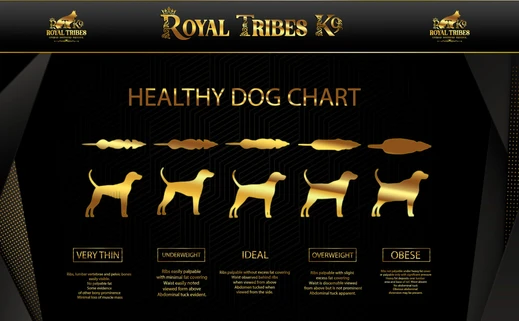
You may begin seeing the ribs more clearly.
Muscle over the back and hips may decrease.
The waist may become increasingly pronounced.
The coat may also begin looking less healthy as nutritional deficiencies develop.
A particularly important search question owners ask is:
Why is my dog losing weight but still eating?
EPI is one possible answer.
This is also where knowing your dog’s normal growth and body condition is valuable. If you’re unsure whether a younger German Shepherd is following a healthy growth pattern, compare the change with our German Shepherd weight by age guide.
Normal variation in size is very different from a dog progressively losing weight despite a strong appetite.
2. Constant Hunger or an Unusually Strong Appetite
Many affected dogs become extremely hungry.
The medical term is polyphagia.
Because food is not being adequately digested and absorbed, the body remains nutritionally unsatisfied.
An owner may increase the food portion because the German Shepherd appears starving.
The dog finishes it immediately.
The portion increases again.
Yet the dog continues losing weight.
That combination—weight loss plus increased appetite—is much more informative than hunger alone.
Some dogs may begin searching obsessively for food, stealing food they previously ignored, scavenging, or appearing hungry shortly after finishing a meal.
3. Large, Loose, or Frequent Stools
Stool changes are another major clue.
With EPI in dogs, owners commonly describe bowel movements that are unusually large in volume.
The stool may be:
- Loose
- Soft
- Pale
- Poorly formed
- Extremely foul-smelling
- Produced more frequently than normal
The amount can surprise owners.
A dog may appear to be producing far more stool than expected based on the amount being fed.
That happens because much of the meal is passing through the digestive tract without being properly utilized.
4. Chronic Diarrhea or Repeated Digestive Problems
Not every dog with EPI has dramatic watery diarrhea.
Some have consistently soft stools instead.
Others alternate between somewhat formed stool and periods of worse diarrhea.
This is why chronic diarrhea in dogs should not automatically be blamed on a sensitive stomach or a particular brand of food.
If changing diets repeatedly does not solve the problem—especially when diarrhea occurs alongside weight loss and increased hunger—it is time to look deeper.
EPI is one of several conditions a veterinarian may investigate.
5. Excessive Gas, Stomach Noises, and Digestive Discomfort
Poorly digested nutrients change what happens inside the intestinal tract.
Some dogs develop increased gas.
Owners may notice loud stomach noises, commonly described as rumbling or gurgling.
The dog may also appear uncomfortable after meals.
These signs are nonspecific on their own.
A perfectly healthy dog can occasionally have gas.
But recurring digestive symptoms together with weight loss, abnormal stools, and unusual hunger create a much stronger reason to investigate EPI symptoms in dogs.
6. Poor Coat and Loss of Body Condition
Digestive problems eventually affect more than the digestive tract.
A dog that cannot absorb nutrients efficiently may develop a dull or poor-quality coat.
The body can lose fat and muscle.
Overall condition may decline despite what appears to be an adequate amount of food.
This is another reason owners should avoid judging nutrition only by how many cups of food go into the bowl.
What matters is whether the dog’s body can actually use those nutrients.
7. Eating Stool or Other Unusual Items
Some dogs with EPI develop unusual food-seeking behaviors.
Coprophagia—eating feces—can occur.
Pica, meaning eating non-food objects or substances, may also be observed.
These behaviors have many possible causes and are not proof of EPI.
But when they appear in a German Shepherd that is also ravenously hungry, losing weight, and producing large abnormal stools, the full pattern becomes much more meaningful.
The Pattern Matters More Than One Symptom
This is one of the most important parts of understanding EPI in dogs.
One loose stool does not mean EPI.
One week of increased hunger does not mean EPI.
A naturally lean German Shepherd does not mean EPI.
Instead, look for a cluster:
Eating a lot + losing weight + large loose stools + poor condition.
That combination is much more characteristic.
If it persists, a veterinarian should investigate the cause rather than repeatedly changing food and waiting.
EPI vs Pancreatitis: They Are Not the Same Condition
The names can be confusing because both involve the pancreas.
Pancreatitis is inflammation of the pancreas.
EPI is inadequate production and secretion of digestive enzymes from the exocrine pancreas.
Chronic pancreatic damage can eventually cause EPI in some dogs, but the two diagnoses are not interchangeable.
A dog can have pancreatitis without EPI.
A German Shepherd with pancreatic acinar atrophy can develop EPI without having the typical history owners associate with acute pancreatitis.
That distinction is one reason proper testing matters.
How Veterinarians Diagnose EPI in Dogs
Symptoms can create suspicion, but they cannot confirm the disease.
The diagnostic process is much more specific.
Step 1: History and Physical Examination
Your veterinarian will want to know what has changed.
Useful information includes:
- Recent and previous body weights
- Appetite changes
- Stool frequency
- Stool appearance
- Feeding amounts
- Diet changes
- Vomiting
- Medications
- Parasite prevention
- How long the symptoms have been present
Photographs of abnormal stools and a simple weight record can sometimes be surprisingly useful.
Step 2: Rule Out Other Causes
Weight loss and diarrhea have many possible causes.
A veterinarian may recommend additional bloodwork, fecal testing, urinalysis, or other diagnostics based on the individual dog.
This prevents EPI from becoming a guess simply because the dog happens to be a German Shepherd.
Step 3: The TLI Test for Dogs
The most important diagnostic blood test is serum trypsin-like immunoreactivity, commonly called TLI or cTLI in dogs.
A markedly low result supports a diagnosis of EPI.
Routine blood amylase or lipase measurements are not substitutes for the TLI test when diagnosing exocrine pancreatic insufficiency.
The veterinarian or diagnostic laboratory may also provide fasting instructions before the blood sample.
Step 4: Check Vitamin B12 and Folate
Serum cobalamin—vitamin B12—is commonly evaluated in dogs suspected of EPI.
This matters because cobalamin deficiency in dogs with EPI is very common and can affect the dog’s response to treatment. Merck notes that more than 80% of affected dogs may be deficient. (Merck Veterinary Manual)
Folate may also be measured because it can provide additional information about intestinal health.
What Happens After an EPI Diagnosis?
A diagnosis can initially sound frightening.
Owners often imagine that the dog will never be able to eat normally again.
In reality, EPI in dogs is one of those conditions where consistent management can make a dramatic difference.
The goal is to replace what the pancreas can no longer provide and correct any secondary nutritional problems.
Think of management as four connected pillars.
Pillar 1: Pancreatic Enzyme Replacement Therapy
The foundation of treatment is pancreatic enzyme replacement therapy, often abbreviated PERT.
Pancreatic enzyme products are added to meals so the food can be digested more effectively.
The exact product, formulation, and amount should be determined with the veterinarian.
Consistency matters.
Giving enzymes occasionally will not provide the same control as correctly treating the meals according to the dog’s management plan.
Many dogs require enzyme supplementation long term because the underlying loss of pancreatic tissue is generally irreversible.
Pillar 2: Vitamin B12 Management
If testing identifies low cobalamin, supplementation is important.
Depending on the case and veterinary plan, B12 may be given orally or by injection.
This is not simply a general vitamin supplement.
In dogs with EPI, B12 status can be directly connected to gastrointestinal function and treatment response.
A dog that is receiving enzymes but still not improving as expected may need its cobalamin status reassessed.
Pillar 3: A Diet the Individual Dog Can Digest Well
There is no one universal “EPI dog food” that works perfectly for every German Shepherd.
The diet should be nutritionally complete, digestible, and appropriate for the dog’s age and health.
Some types of fiber can interfere with enzyme activity, so diet composition may matter.
At the same time, putting every dog with EPI on an extremely low-fat diet automatically is not necessarily the correct approach.
Treatment needs to be individualized.
For general background on food selection and feeding routines, our German Shepherd feeding guide explains the foundations of safe feeding. An EPI diagnosis, however, should always override generic dietary advice when your veterinarian gives a specific nutritional plan.
For younger dogs, our nutrition guide for growing German Shepherd puppies also explains why controlled, complete nutrition matters during development.
Pillar 4: Monitor the Dog, Not Just the Prescription
Treatment success should be visible in the dog.
Owners should track:
Body weight: Is the dog gaining back lost weight?
Stool quality: Is stool becoming smaller, firmer, and more normal?
Appetite: Is the extreme hunger settling?
Coat and body condition: Does the dog look healthier?
Energy: Is normal activity returning?
B12 status: Does follow-up testing show adequate levels when supplementation was necessary?
If the dog is not responding as expected, do not simply keep increasing food.
The management plan may need adjustment.
What Improvement Can Look Like
A German Shepherd successfully managed for EPI may look completely different from the dog at diagnosis.
The ribs become less prominent.
Muscle condition improves.
Stool volume decreases.
Bowel movements become more predictable.
The desperate hunger may become much less intense.
The coat can improve.
Energy becomes more normal.
Owners sometimes describe this as finally seeing the food “stay on the dog.”
That is essentially what successful treatment is accomplishing: improving digestion and nutrient absorption.
What if Pancreatic Enzymes Are Not Enough?
Most affected dogs improve substantially with pancreatic enzymes, but not every dog responds perfectly to enzymes alone.
Several possibilities may need investigation.
Cobalamin Deficiency
B12 may still be inadequate.
Diet Compatibility
The current diet may not be ideal for that particular dog.
Intestinal Dysbiosis
Dogs with EPI frequently have changes in the intestinal microbial population.
Concurrent Intestinal Disease
Another gastrointestinal problem can exist at the same time.
Inconsistent Enzyme Administration
Missed meals or inconsistent enzyme use can affect results.
This is why owners should work through persistent symptoms systematically with their veterinarian rather than repeatedly changing multiple things at the same time.
EPI in Dogs vs Dog Bloat: Know the Difference
German Shepherd owners should be familiar with both conditions, but their usual presentations are very different.
| EPI | GDV / Bloat |
| Usually develops chronically | Often begins suddenly |
| Weight loss over time | Rapid abdominal emergency |
| Loose, large stools | Distended or painful abdomen |
| Often increased appetite | May retch without producing vomit |
| Requires veterinary diagnosis and long-term management | Requires immediate emergency veterinary care |
A German Shepherd with weeks of weight loss and loose stools fits a very different pattern from a dog that suddenly becomes restless, develops abdominal enlargement, and repeatedly tries to vomit without producing anything.
Because GDV is an emergency, every German Shepherd owner should also know the critical dog bloat warning signs.
This distinction is important: EPI deserves timely veterinary evaluation, but suspected GDV should not wait for a routine appointment.
Can EPI in Dogs Be Cured?
In most cases, the underlying loss of pancreatic exocrine function is permanent.
So EPI in dogs is usually considered a condition that requires lifelong management rather than a short course of treatment that permanently restores the pancreas.
That sounds discouraging until you understand the prognosis.
Many dogs respond very well once the correct treatment routine is established.
The pancreas may not recover, but the missing digestive function can often be supported effectively.
With appropriate management and monitoring, affected dogs can regain weight, produce normal stools, and have a normal quality of life and lifespan. (Merck Veterinary Manual)
Can EPI Be Prevented in German Shepherds?
There is no simple lifestyle routine that guarantees prevention of pancreatic acinar atrophy.
An owner does not cause EPI because the dog ate the wrong brand of kibble for a few months.
Likewise, feeding a “perfect” diet cannot guarantee that a genetically predisposed dog will never develop pancreatic disease.
The useful approach is awareness.
Know the normal body condition of your German Shepherd.
Notice persistent weight loss.
Pay attention to stool changes.
Do not dismiss extreme hunger when the dog is getting thinner.
And seek veterinary testing when the pattern does not make sense.
Earlier recognition can shorten the period during which a dog remains nutritionally depleted.
Common EPI Mistakes Owners Should Avoid
Assuming More Food Will Fix the Weight Loss
If nutrients are not being properly digested, simply adding larger and larger meals may not solve the underlying problem.
Changing Food Every Few Days
Frequent diet changes can make gastrointestinal symptoms harder to interpret.
Treating Chronic Diarrhea Without Investigating the Cause
Diarrhea is a symptom, not a diagnosis.
Assuming Every Thin German Shepherd Has EPI
The breed predisposition is important, but many other diseases can produce similar symptoms.
Starting Pancreatic Enzymes Without Veterinary Evaluation
Response to enzymes alone should not replace proper diagnostic testing.
Ignoring B12
Cobalamin status can play an important role in treatment success.
Stopping Treatment Because the Dog Looks Better
Improvement usually means management is working—not necessarily that pancreatic function has returned.
A Simple Home Monitoring System for an EPI Dog
Once treatment begins, consistency makes it much easier to determine whether the plan is working.
Record the dog’s weight regularly.
Use the same scale when practical.
Make a simple note of stool quality.
Track how many bowel movements occur each day.
Record major food or enzyme changes.
Watch appetite.
Take body-condition photos from the side and above every few weeks.
This creates objective information.
If symptoms return, you and your veterinarian can look back and identify what changed rather than relying entirely on memory.
When Should a German Shepherd Owner Ask About EPI?
Consider discussing EPI in dogs with your veterinarian when several of these occur together:
- Progressive unexplained weight loss
- Normal or increased food intake
- Persistent large or loose stools
- Chronic diarrhea
- Excessive hunger
- Poor body condition
- Excess gas
- Poor coat quality
- Coprophagia or unusual scavenging
The combination of a hungry German Shepherd that keeps getting thinner deserves particular attention.
Frequently Asked Questions About EPI in Dogs
What Is the First Sign of EPI in Dogs?
There is no single first symptom in every dog.
Weight loss, abnormal stools, and increased appetite are among the most characteristic early patterns.
Some owners first notice stool changes, while others first notice that their German Shepherd is becoming too thin.
Why Is My German Shepherd Losing Weight but Eating More?
Several conditions can cause this pattern, including exocrine pancreatic insufficiency in dogs.
Other possibilities include intestinal disease, parasites, diabetes, and other metabolic disorders.
Persistent unexplained weight loss requires veterinary evaluation.
What Does EPI Dog Poop Look Like?
Stools may become large in volume, loose, pale, poorly formed, and unusually foul-smelling.
Not every dog has identical stool changes.
Is EPI Common in German Shepherds?
German Shepherds are a recognized predisposed breed, particularly for EPI caused by pancreatic acinar atrophy.
That is why German Shepherd EPI deserves greater owner awareness.
What Test Confirms EPI in Dogs?
The serum canine trypsin-like immunoreactivity test, usually called cTLI or TLI, is the primary diagnostic test.
Routine digestive enzyme blood tests such as standard amylase and lipase do not replace the TLI test for EPI diagnosis.
Can a Stool Test Diagnose EPI?
Certain fecal tests exist, but serum TLI is considered more reliable for diagnosing canine EPI.
Does EPI Cause Constant Hunger?
It commonly can.
A dog may eat large amounts because nutrients are not being digested and absorbed normally.
Do Dogs With EPI Need Pancreatic Enzymes Forever?
Most dogs require long-term or lifelong enzyme replacement because the underlying pancreatic tissue loss is usually irreversible.
Does Every EPI Dog Need B12?
Not every dog should be treated identically, but cobalamin deficiency is very common in EPI.
Testing allows the veterinarian to determine whether supplementation is needed.
What Should I Feed a German Shepherd With EPI?
There is no single best diet for every affected dog.
The diet should be nutritionally complete and work well with the dog’s enzyme therapy, gastrointestinal response, age, and any concurrent medical conditions.
Diet changes should be discussed with the treating veterinarian.
Can a German Shepherd With EPI Live a Normal Life?
Yes.
Once an effective management plan is established, many affected German Shepherds regain healthy weight, develop better stools, and live active lives.
Final Thoughts on EPI in Dogs
EPI in dogs creates one of the most recognizable contradictions in canine digestive disease: a dog may eat constantly while becoming thinner.
For German Shepherd owners, that pattern deserves attention.
Weight loss despite a strong appetite, large loose stools, chronic digestive problems, excessive hunger, poor body condition, gas, and unusual scavenging behaviors can all fit the picture of exocrine pancreatic insufficiency.
But symptoms alone cannot diagnose EPI.
The key step is veterinary testing—particularly the TLI test—along with evaluation of cobalamin and the dog’s overall gastrointestinal health.
Once diagnosed, management usually centers on pancreatic enzyme replacement, appropriate nutrition, correction of B12 deficiency when present, and monitoring the dog’s response.
EPI generally does not disappear simply because the symptoms improve.
The improvement happens because the digestive problem is being managed effectively.
For many affected German Shepherds, consistent treatment changes the picture completely: the weight returns, stool improves, hunger becomes manageable, and the dog can return to a normal active life.
The most useful thing an owner can do is recognize the pattern early.
When a German Shepherd keeps eating but keeps losing weight, do not assume the answer is simply more food.
Ask why the nutrients are not reaching the dog.